

At ATU Specialized Session on AI Development in Humanities and Social Sciences:
Necessity for Universities to Move Toward Smart Library Services
Directorate for International Academic Cooperation–
(English translation by Rasoul Firouzi)
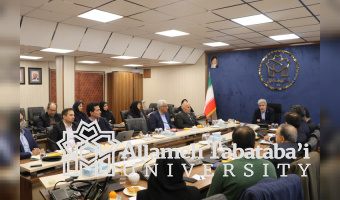
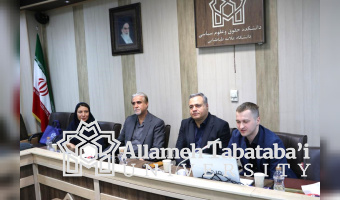
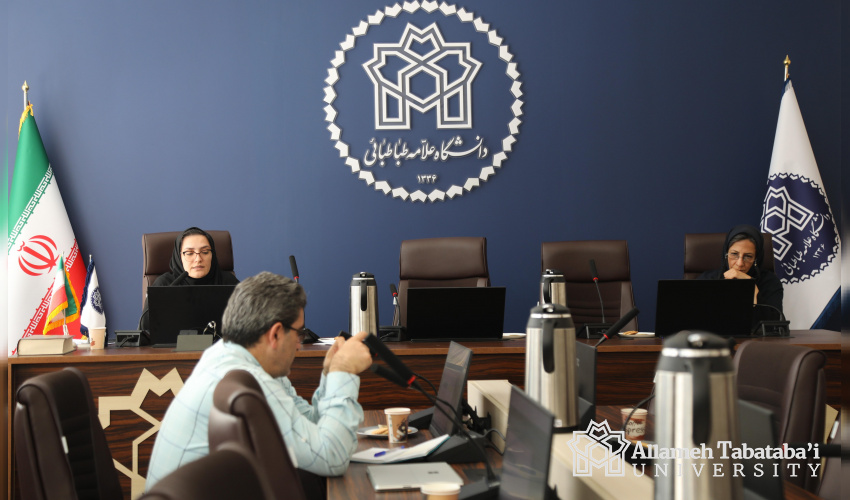
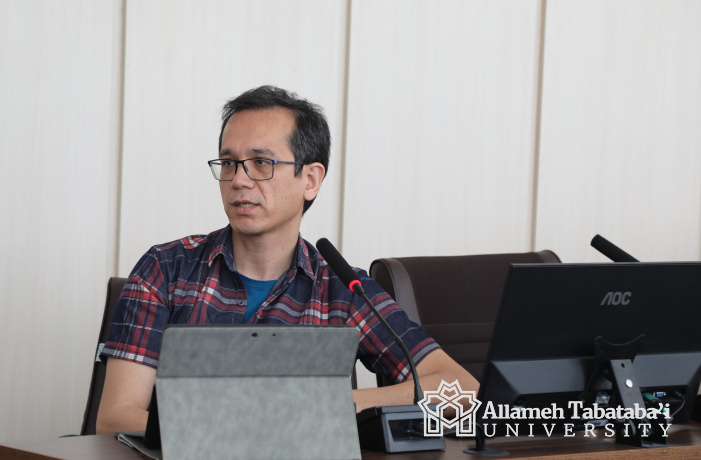
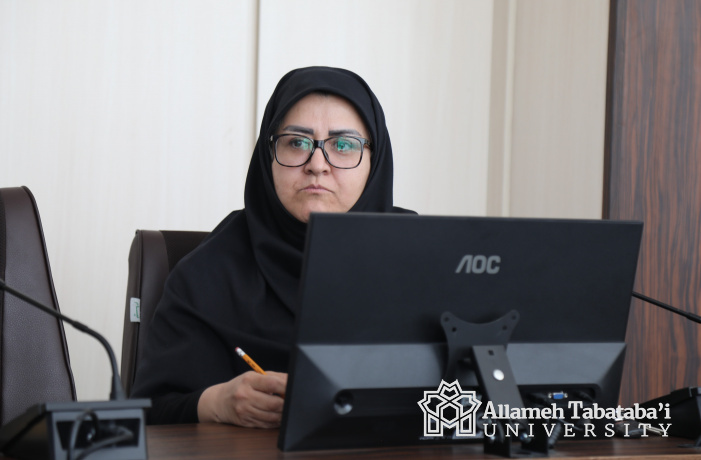
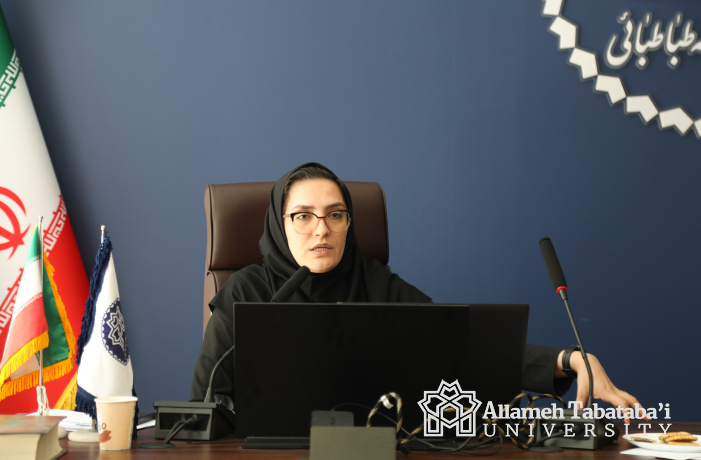
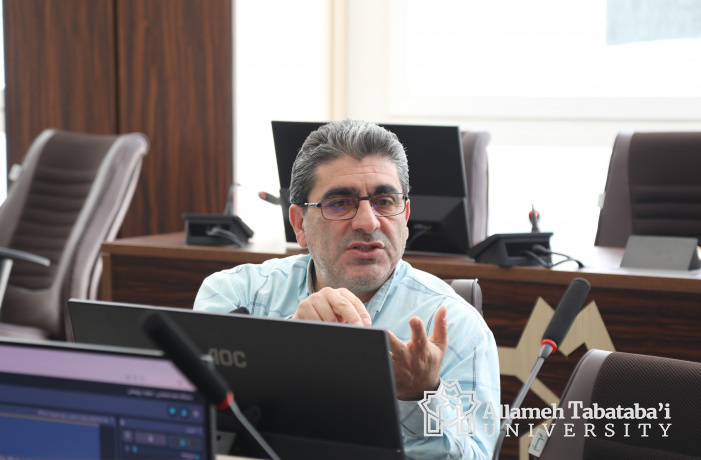
According to ATU's Public Relations office, this second specialized session—part of a series of sessions on the development and application of AI in the humanities and social sciences—was organized by the university's Central Library and Documents Centre. Held both in person and virtually at the Central Library, the gathering aimed to evaluate the potential of modern technologies to enhance educational and research services, while facilitating constructive dialogue among faculty members and subject-matter experts.
During the event, participants emphasized the necessity for universities to transition toward smart academic and research services. Experts noted that expanding AI-based tools in academic environments can facilitate researcher access to scientific resources, minimize information retrieval time, and boost the overall productivity of the research ecosystem.
One of the primary focal points of the session was examining the feasibility of deploying specialized chatbots in university libraries. Such systems could provide round-the-clock responses to user inquiries regarding library services, borrowing regulations, resource searches, and the utilization of academic databases, thereby reducing the operational load on library staff.
Additionally, the concept of a "smart university research assistant" was proposed as a tool to streamline research processes. This AI assistant could integrate with theses, dissertations, academic journals, faculty publications, and institutional research guidelines, providing researchers with faster access to specialized data and resources.
In another segment of the session, the design of a "specialized university language model" was discussed. This model would be tailored to enable more precise access to scientific resources and internal university guidelines, serving as an integrated infrastructural foundation for academic systems.
Technical approaches to implementing this infrastructure were also reviewed. Discussions centered on two main pathways: utilizing open-source models within the university's internal infrastructure or leveraging ready-made international services. Each option presents distinct advantages and challenges regarding data security, infrastructural costs, and technological dependence.
Furthermore, several professors cautioned against the fragmented and isolated development of AI systems across different universities, stressing the importance of establishing a collaborative mechanism among academic centers. They suggested that forming a research consortium among major national universities could help pool scientific databases and facilitate the development of more efficient smart assistants.
The session concluded with a call to establish specialized working groups to examine the operational aspects of these proposals and draft high-level strategic documents. It was also agreed that a needs assessment would be conducted among postgraduate students and faculty members to evaluate existing technical capacities and pave the way for the gradual implementation of AI-driven services at the university.





 Soroush