

ATU Hosts Joint Session with MSRT and Foreign Nationals Police to Streamline Consular Services for International Students
Directorate for International Academic Cooperation–
(English translation by Rasoul Firouzi)
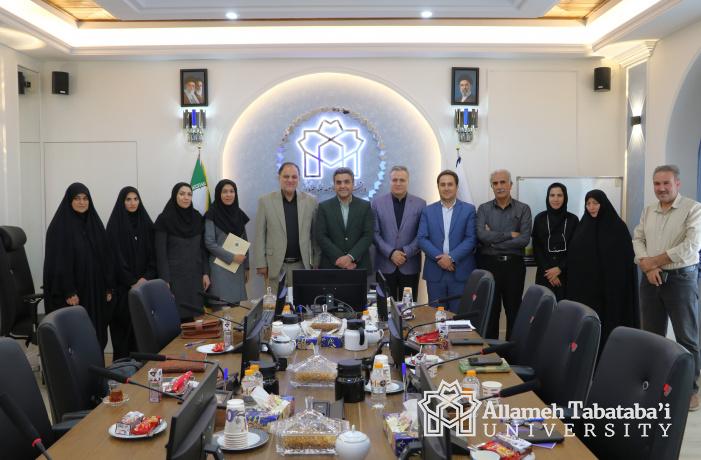
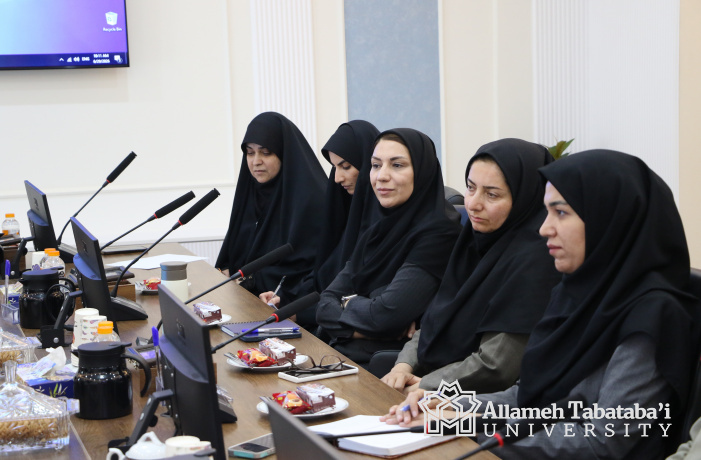
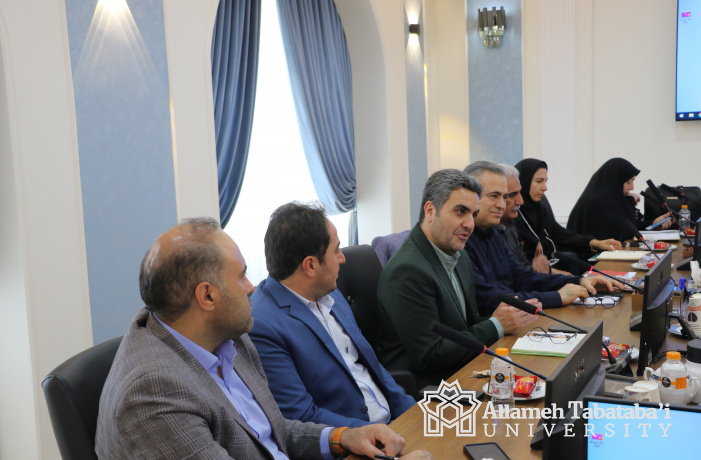
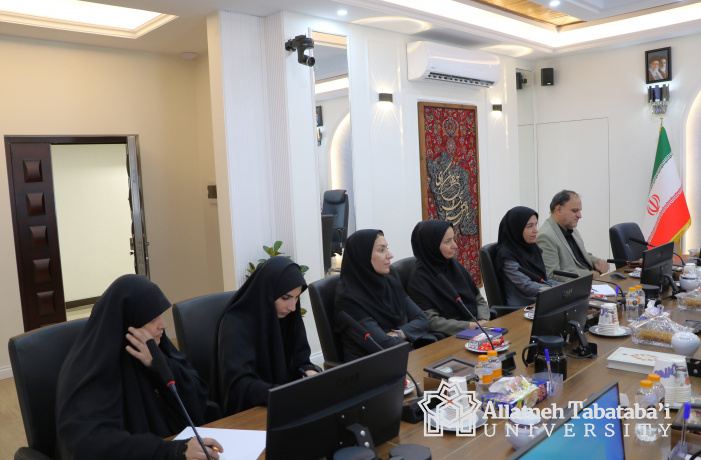
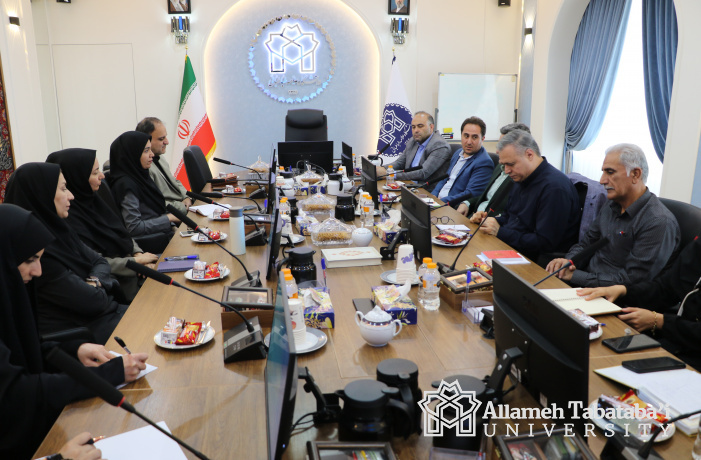
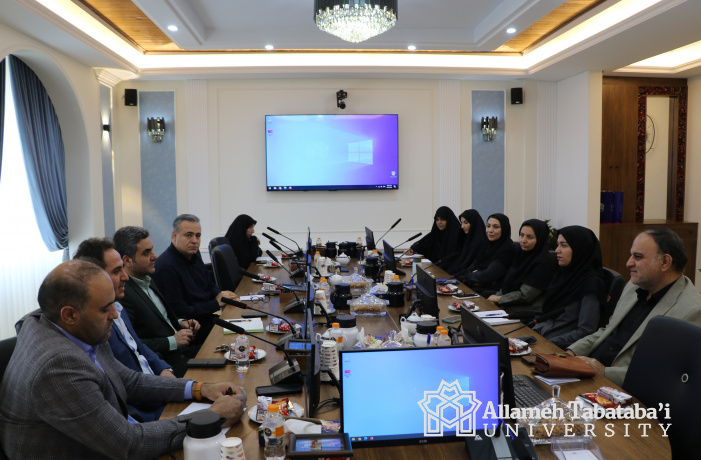
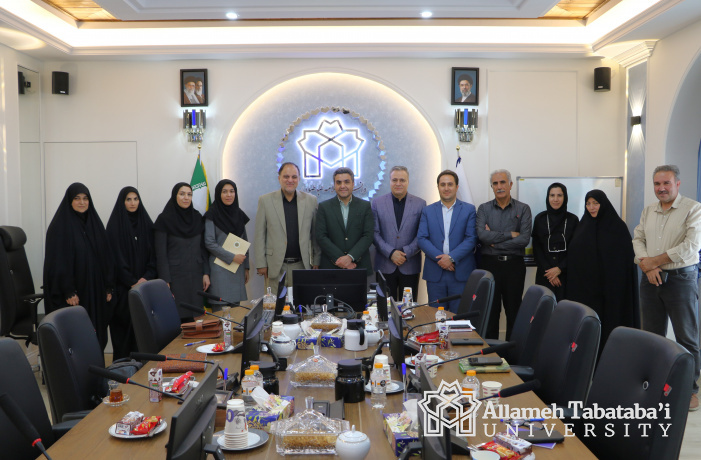
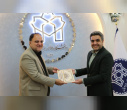
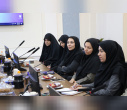
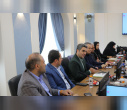
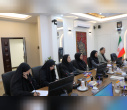
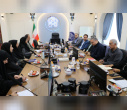
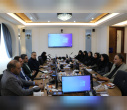
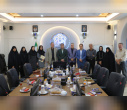
The session, held in the presidential hall of ATU, was attended by representatives from the university's Directorate for International Academic Cooperation, the Consular Affairs Office of the Ministry of Science’s Student Affairs Organization, and the Foreign Nationals Police.
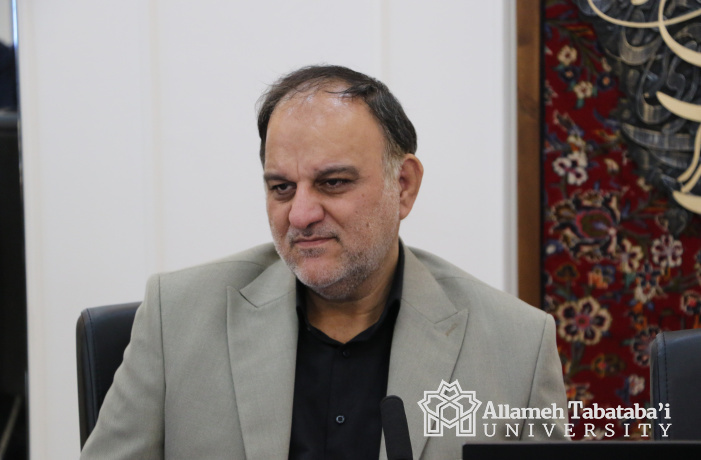
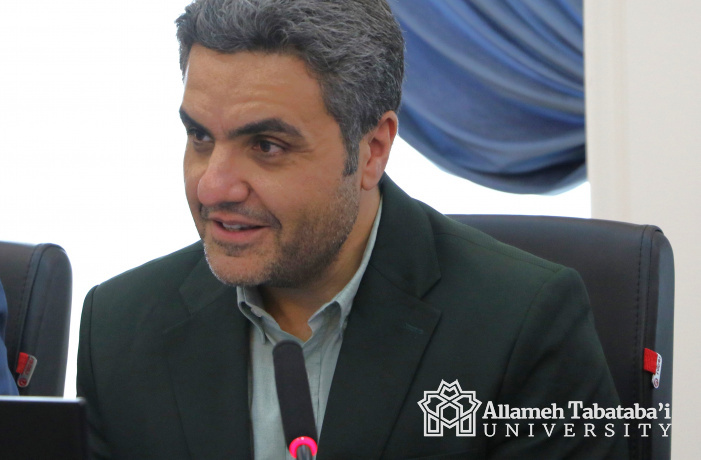
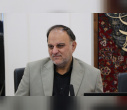
Dr Pouria Askari, Director of International Academic Cooperation at ATU, emphasized that international students act as cultural ambassadors for the country. He noted that the university's primary goal is to ensure a positive and constructive experience for these students throughout their academic journey.
"Attracting international students is far more than an administrative mandate; it requires raising the quality of education and support services at every stage," Dr Askari said. He added that high-quality services serve as the best advertisement for Iran's higher education market, helping to elevate the country's global academic standing and generate research-driven opportunities.
Dr Askari also addressed operational hurdles, such as banking restrictions caused by international sanctions, complex administrative workflows, and security coordination for visas. He stressed that inter-sectoral cooperation is essential to resolve these systemic bottlenecks and reduce student anxieties.
Dr Azadeh Mirzaei, Head of the Persian Language Training Center for Non-Persian Speakers (CTPSoL) at ATU, highlighted the need for expedited visa processing, specifically for short-term language programs. She pointed out that the current complexities in obtaining visas present challenges for the planning and execution of short-term courses. This is particularly true for students from neighboring countries like Turkey, where there is high demand for Persian language learning. Dr Mirzaei called for exploring specialized visa arrangements or alternative models for short-term academic visits to better promote Persian language and culture.
Dr Majidreza Momeni, Director of Social Affairs at ATU, emphasized the importance of maintaining rigorous screening and selection standards during the initial admission phases. He noted that a thorough vetting process ensures a healthy and high-quality academic environment. However, he also stressed that once qualifications are approved, visa and administrative processing must be accelerated to ensure students can arrive on campus before the start of the academic year.
Dr Farid Rahimi Nadaf, Head of Consular Affairs at the Ministry of Science's Student Affairs Organization, shared the ministry's ambitious target under the country’s Seventh Development Plan: hosting 320,000 international students, which would constitute roughly 10% of Iran's total student population. Currently, 873 out of 2,260 universities nationwide accept international students.
Dr Nadaf highlighted recent administrative improvements, including the aligning of residency permits with the actual duration of a student's degree program and the facilitation of multiple-entry visas.
He clarified that, under current regulations, universities are required to handle all consular and residency matters internally through dedicated units, rather than directing students to external, non-academic entities. He also reminded the attendees of regulatory compliance measures, such as the requirement for valid electronic passports and the policy prioritizing university-provided dormitories for international student housing.


 Soroush