

In a conference held at North Ossetian State University:
Dr Ahmadvand emphasizes the need to continue civilizational dialogue between Iran and Russia
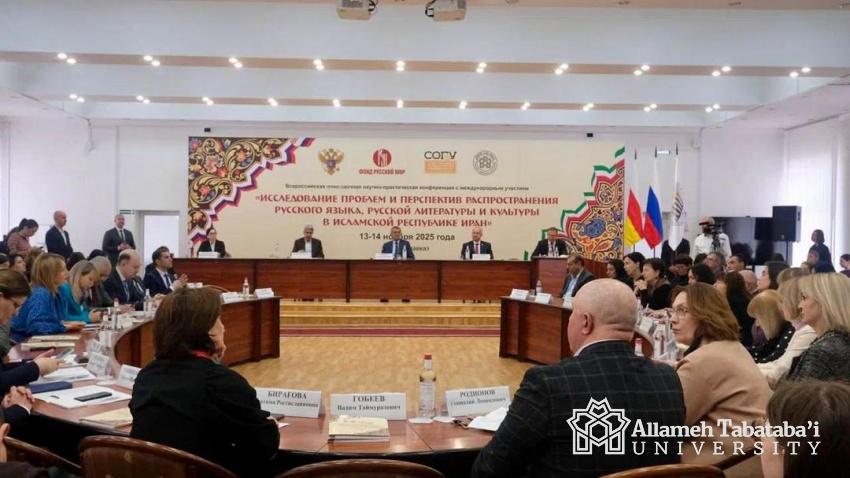
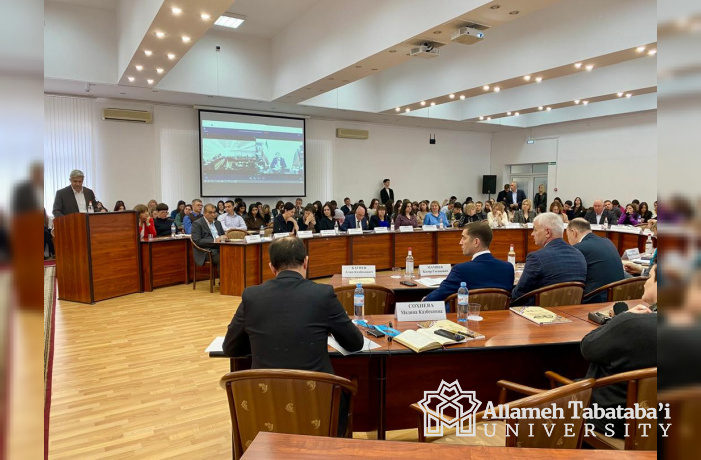
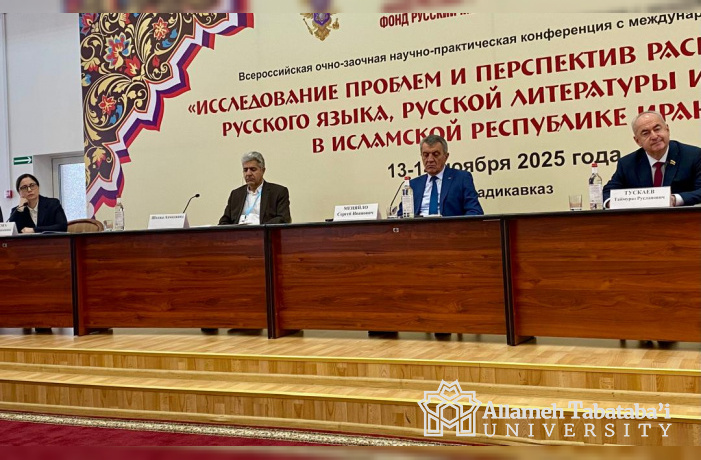
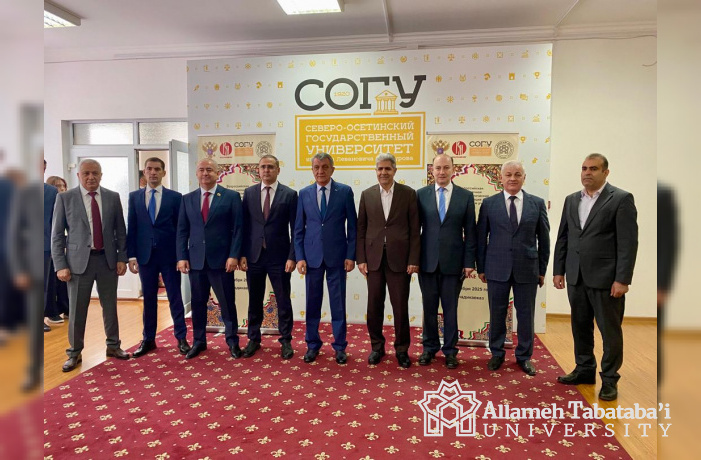
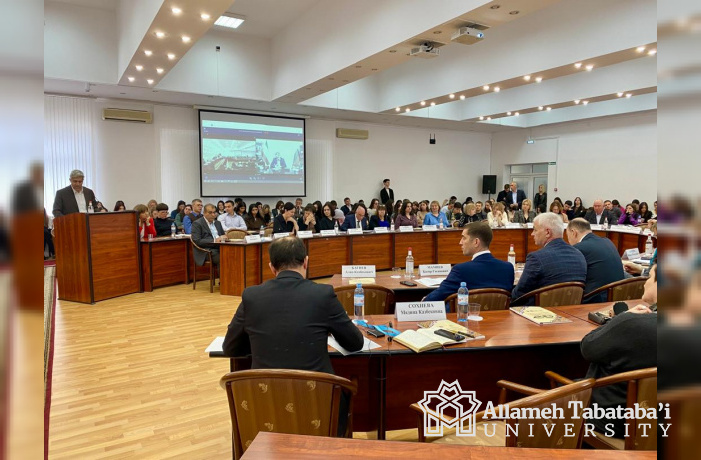
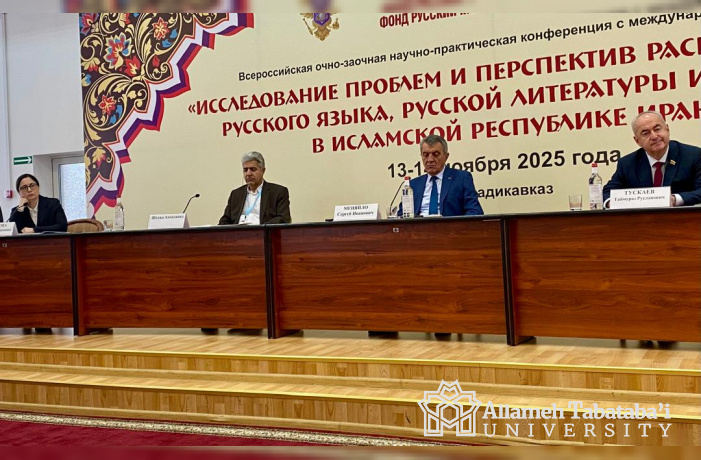
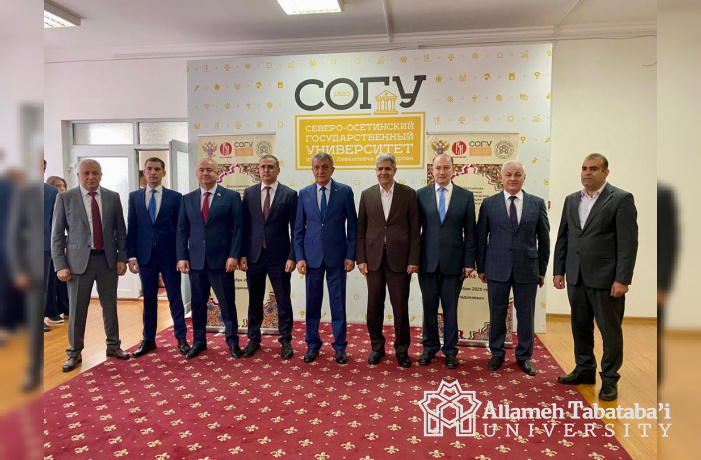
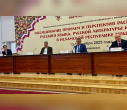
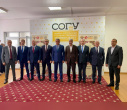
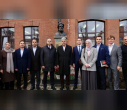
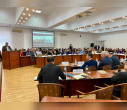
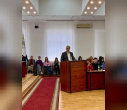
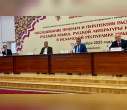
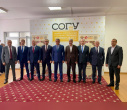
The international conference on "Cultural and Linguistic Interactions Between Iran and Russia" was held in Vladikavkaz, hosted by North Ossetian State University and attended by the President and other officials from Allameh Tabataba'i University. The conference was also attended by Dr Alan Ogoev, Rector of North Ossetian State University; Presidents of universities in the region; and a host of academics, researchers, and cultural officials from both Iran and Russia.
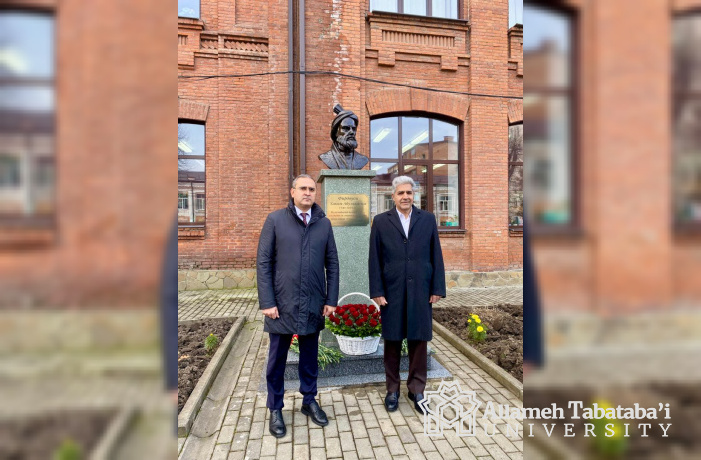
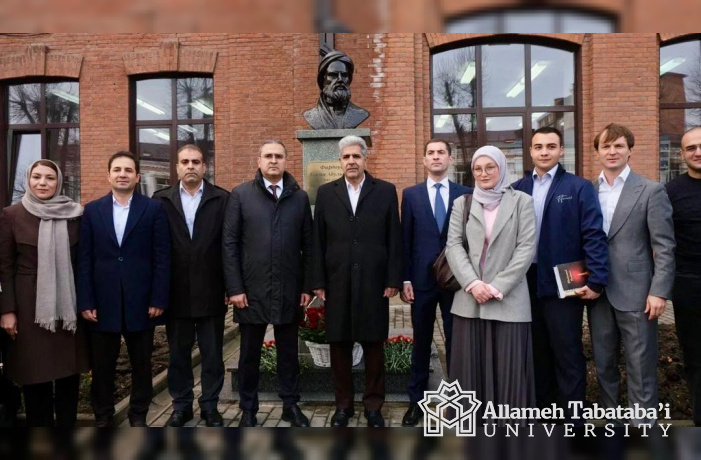
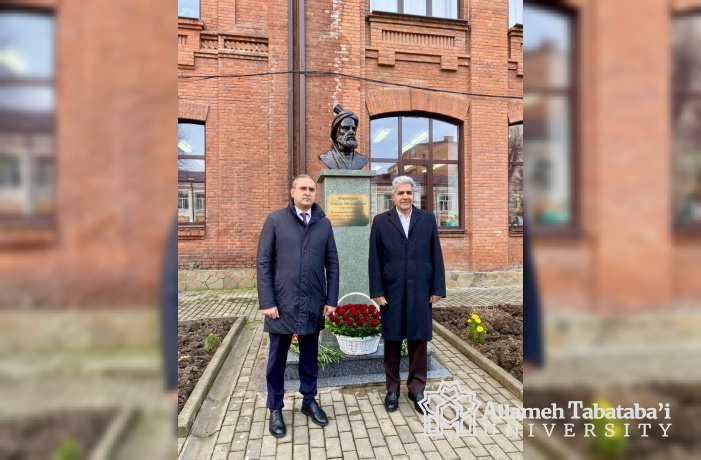
The opening ceremony commenced with a speech by the Governor of North Ossetia and a welcome address from the Rector of North Ossetian State University. Attendees paid homage to three great poets of Iran and Russia, honouring the memory of Hakim Abul-Qasim Ferdowsi, Alexander Pushkin, and Kosta Khetagurov.
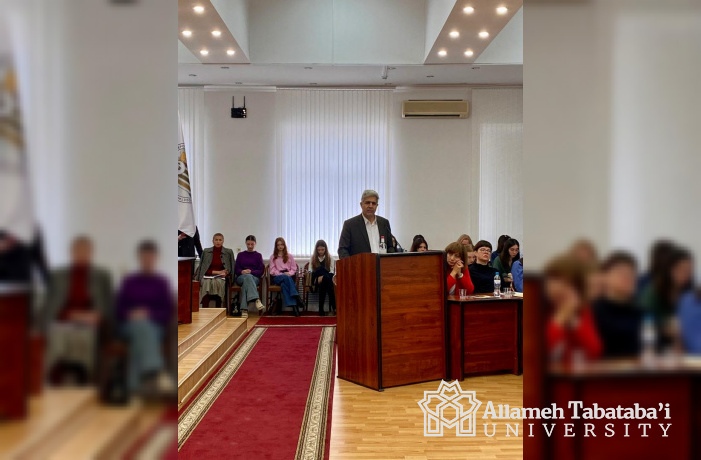
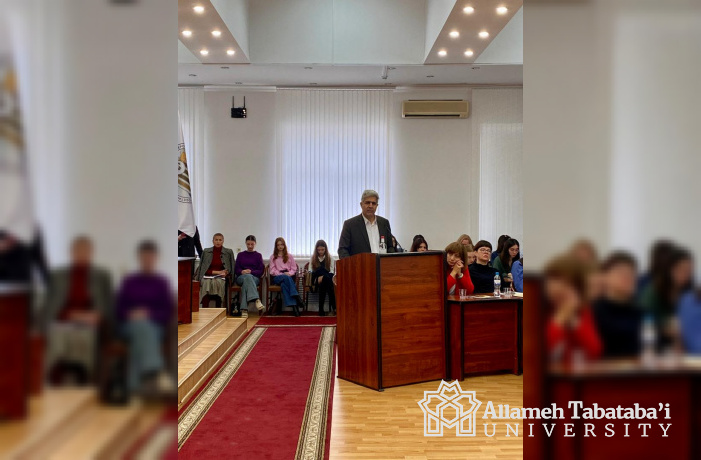
In his address, Dr Ahmadvand, ATU President, highlighted the cultural ties and shared roots between Iran and Russia. He stated, "The expansion of the Persian and Russian languages is an endeavour to sustain the civilizational dialogue between our two nations. University and cultural interactions can serve as a foundation for the growth of future generations and the scientific and cultural development of both countries."
He underscored the enduring impact of cultural and academic relations between nations, remarking, "Experience has shown that while political and diplomatic relations may falter, cultural, academic, and literary bonds create lasting and unbreakable ties among nations." ATU President then added that the relationship between two great and influential countries like Iran and Russia should not be confined to political and economic cooperation alone, but must be expanded based on cultural understanding and civilizational dialogue.
Identifying language as the most crucial cultural element, he asserted, "Language is not merely a means of communication; it is the historical memory and cultural identity of nations. In a world where political borders sometimes impede human connection, language serves as a bridge of understanding and friendship between peoples." Dr Ahmadvand referenced the historical backdrop of cultural relations between Iran and Russia, noting the translation of Iranian poets' works in Russia and their influence on distinguished Russian writers. He commented, "Despite this rich history, the current linguistic and cultural cooperation between our two countries does not match the existing potential."
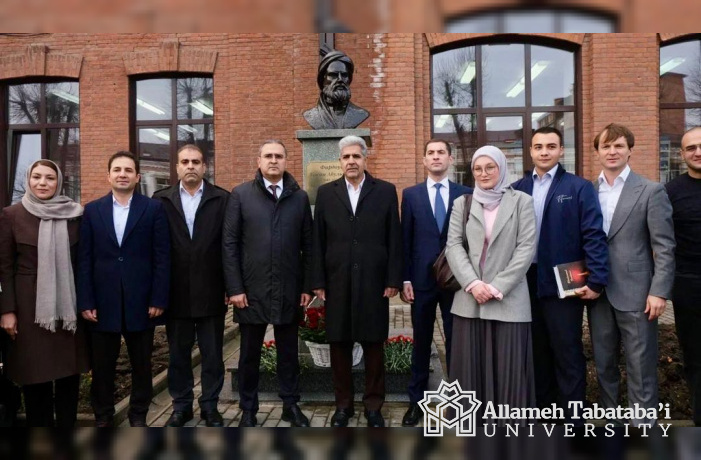
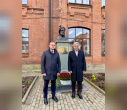
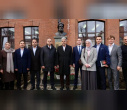
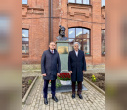
He then outlined ATU's initiatives to expand academic and cultural collaborations. These include organizing joint conferences in Tehran and Vladikavkaz, publishing bilingual collections of articles, implementing joint research projects, facilitating faculty and student exchanges, launching a joint Iranian Studies program, and translating valuable works of Russian and Caucasian literature. He also cited the installation of a bust of Ferdowsi at North Ossetia State University and the unveiling of a bust of Khetagurov, the Ossetian national poet, at ATU as symbols of cultural friendship.
Looking forward, the President of ATU identified key pillars for expanding cultural relations between Iran and Russia: forming a joint university network in the fields of language, translation, and culture; designing joint postgraduate programs; developing faculty and student exchange programs; focusing on the translation and publication of contemporary literary and intellectual works from both countries; and leveraging digital technology for the production of bilingual cultural content.
He emphasized that the expansion of the Persian and Russian languages is not merely an educational project but a continuation of the civilizational dialogue between the two nations: "This seminar is a new step on the path of sustainable cultural cooperation between Iran and Russia—a cooperation that begins at the university and extends to society and public opinion." ATU President concluded, "Language and culture are more enduring than politics and can fortify the foundations of understanding and friendship between nations."
Additionally, at the conference, Dr Hamid Reza Maghami, ATU's Vice-President for Student Affairs, delivered a speech on the role of AI in language education among language learners. Dr Narges Sanaei, Head of the Office for Developing International Academic Collaborations, also spoke on Pushkin's influence by Iranian poets and Eastern concepts, and the dissemination of his works in Iran. Dr Asghar Ghodrati, Head of the Russian Language Department, delivered a speech on Iranian and Russian language and culture in the modern world.
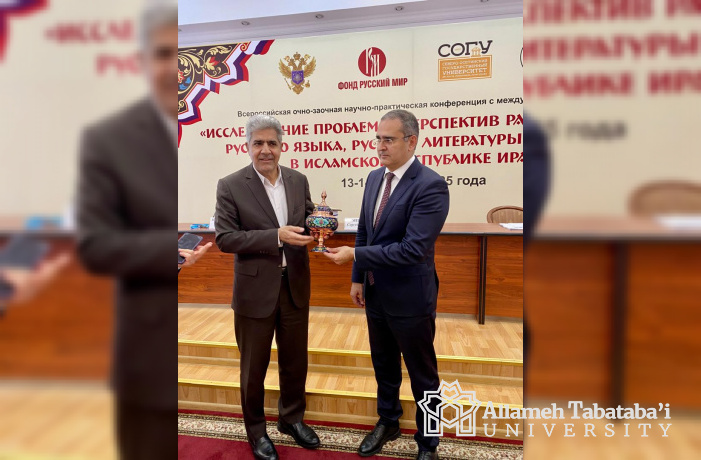
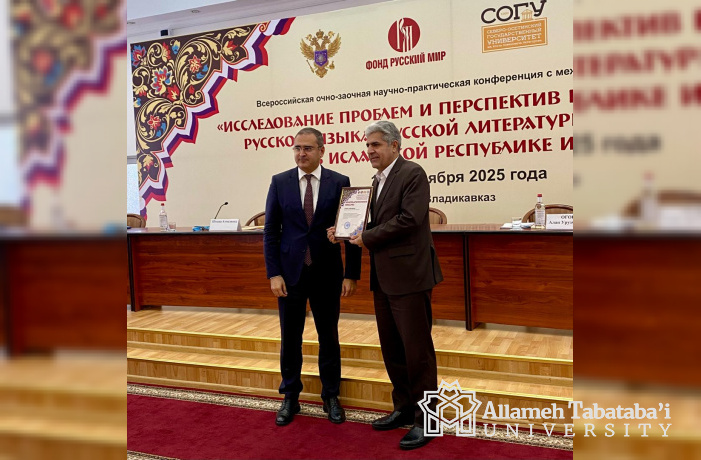
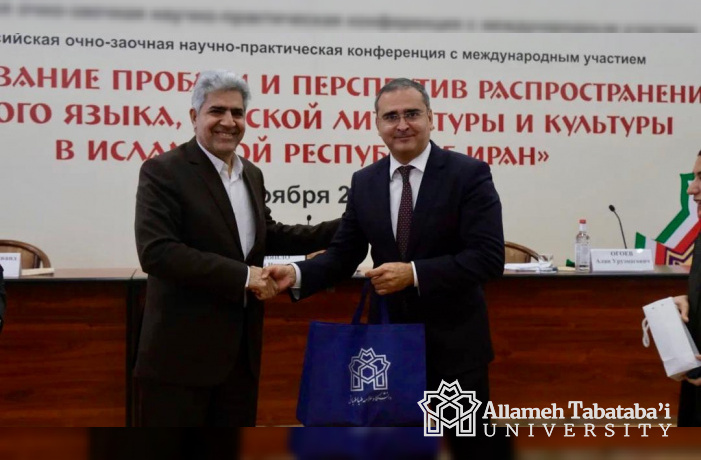
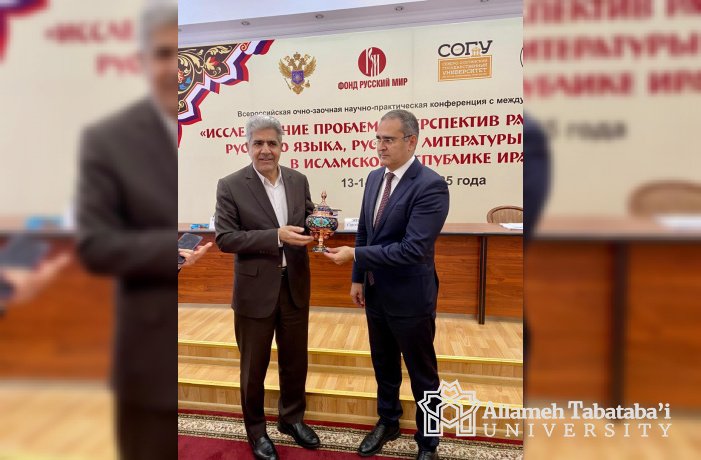
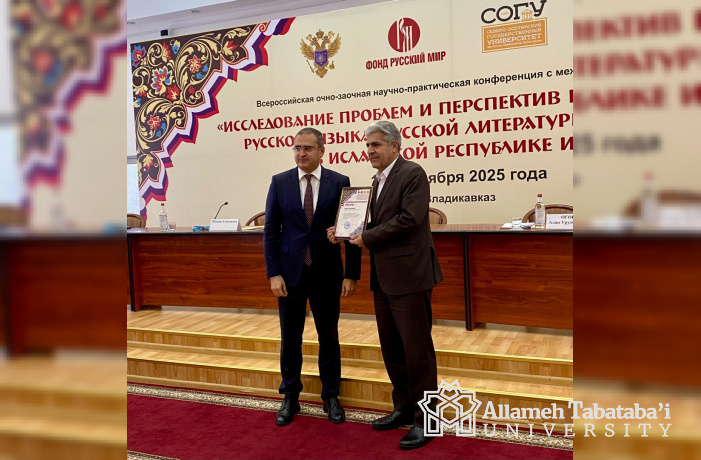
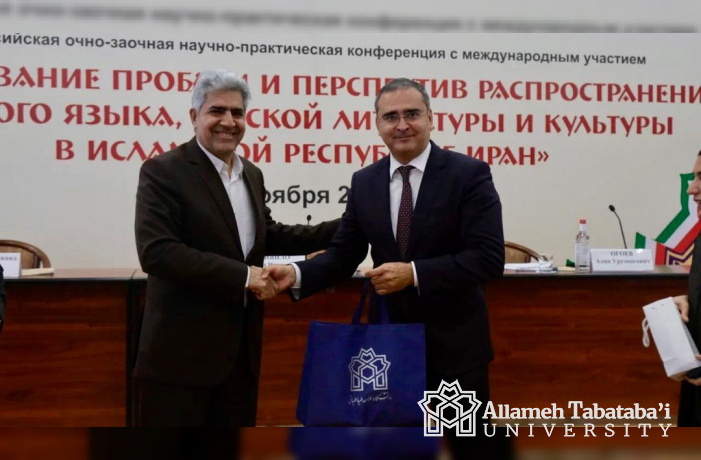
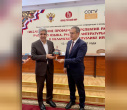
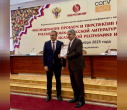
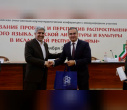
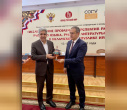
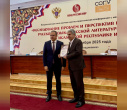
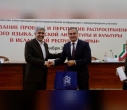
At the conclusion of the opening ceremony, Dr Ahmadvand and Dr Narges Sanaei were recognized with plaques of appreciation for their efforts in expanding academic and cultural cooperation between ATU and North Ossetia State University.
On the sidelines of the event, ATU President, along with the Governor and the Rector of North Ossetia State University, answered journalists' questions regarding the conference's objectives and the cultural relations between the two countries. In his response, Dr Ahmadvand stressed the importance of culture as a foundation for politics, stating, "The peoples of Iran and Russia possess classical cultural roots that are close to one another. The installation of Ferdowsi's bust in Vladikavkaz and Khetagurov's bust at Allameh Tabataba'i University symbolizes the will of our two nations to continue and expand cultural cooperation and to familiarize the next generation with our shared cultural origins."
He also added, "Organizing such conferences, while strengthening university ties, creates synergy in scientific and cultural fields and can pave the way for the mutual growth and development of our countries."
 Soroush