
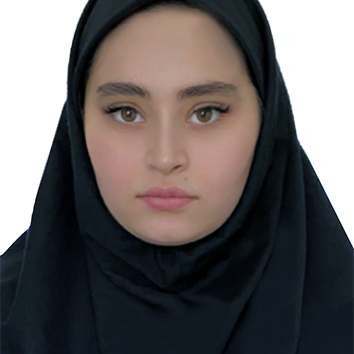
سوگل رزاقی
عنوان پایاننامه
کمپین های مجازی در بستر اینستاگرام و مواجهه نسل x,y, و z
- رشته تحصیلی
- روابط عمومي-گرايش روابط عمومي و امور بين الملل
- مقطع تحصیلی
- کارشناسی ارشد
- محل دفاع
- علوم ارتباطات
- شماره ساختمان محل ارائه
- ۹۴
- نام کلاس محل ارائه
- تالار دفاع دکتری
- شماره کلاس محل ارائه
- ۲۲۲
- تاریخ دفاع
- ۳۰ شهریور ۱۴۰۴
- ساعت دفاع
- ۰۶:۴۰
- چکیده
- چکیده: پژوهش حاضر با هدف شناخت چگونگی مواجهه و ادراک کاربران فعال ایرانی اینستاگرام ( نسلهای X، Y و Z) از کمپین مجازی «از نابرابری بگو» که با هشتگ #از_نابرابری_بگو همزمان با روز جهانی زن و طی سه روز در اسفند ???۳ برگزار شد، انجام گرفته است. با توجه به اهمیت نقش رسانههای اجتماعی در شکلدهی گفتمانهای جنسیتی و تفاوتهای نسلی در مواجهه با کمپینهای دیجیتال، این مطالعه از رویکرد کیفی بهره گرفته است.دادهها از طریق مصاحبه نیمهساختاریافته(۳۰ مصاحبه، ۱۰ نفر زن و مرد از هر نسل ) با کاربران فعال، به شیوه نمونهگیری گلولهبرفی و تا رسیدن به اشباع نظری جمعآوری شده است. به منظور تحلیل داده ها از روش برتون و کلارک استفاده شده است. جامعه آماری شامل کاربران ایرانی نسلهای X، Y و Z بود که با هشتگ یادشده تعامل داشتهاند. محدودیت زمانی کوتاه کمپین و دشواری دسترسی به مشارکتکنندگان، گردآوری دادهها را با چالشهایی همراه ساخت؛ با این حال تلاش شد از تنوع حداکثری مشارکتکنندگان استفاده شود. یافتهها نشان دادند که هر نسل الگوی متمایزی از درک و مشارکت را بازنمایی میکند: نسل?X بیشتر از منظر اخلاقی و تاریخی، کمپین را بهمثابهی یادآوری فرایندهای دیرپای نابرابری تعبیر?میکند؛ نسل?Y برخوردی ساختاری و مدنی داشته و بر مسئولیتپذیری جمعی و تغییر نهادی?تأکید?دارد؛ و?نسل?Z با رویکردی تجربی?و?هویتی?به?بیان?اصیل?و?زیسته?در?بستر?دیجیتال?میپردازد. بر?پایه?تحلیل?مضمون،?پنج?تم?محوری?استخراج?شد:?«بلوغ?رسانهای?و?جستوجوی?اصالت»،?«مسئولیتپذیری?مردانه?و?تغییر?لحن?جنسیتی»،?«بومیسازی?و?اعتدال?گفتمانی»،?«تجربه?زیسته?به?مثابه?تسهیلگر?کنش»،?و?«توسعه?ابزارهای?تعاملی?». جمعبندی تحلیل حاکی است که فرایند شکلگیری معنا در کمپین، از احساس?شخصی?نابرابری?به?کنش?جمعی?آگاهانه گذر?کرده?و?نمونهای از تحول?فرهنگی?از?تقابل?به?تفاهم را در بستر فمینیسم?دیجیتال?ایرانی?نمایان?میسازد. همچنین، یافتهها با آثار پیشین داخلی و بینالمللی مقایسه شد و مفهوم نوآورانهی «فمینیسم?گفتوگویی?بومی» بهعنوان چارچوب تلفیقی میان نظریه?مانهایم،?جامعه?شبکهای?کاستلز?و?نظریه?استفاده?و?رضامندی?پیشنهاد?گردید. در?نهایت،?پژوهش?باارائه?پیشنهادهایی?برای?توسعه?سواد?رسانهای?میاننسلی،?تقویت?گفتمان?اخلاق?دیجیتال ?و?مطالعات?طولی?آتی،?به?پایان?رسید. کلیدواژه ها: ادراک کاربر، اینستاگرام، رسانه های اجتماعی، فمنیسم، کمپین های مجازی، نسل x,y,z
- Abstract
- Abstract The present study aims to explore how active Iranian Instagram users from Generations?X,?Y,?and?Z perceive and engage with the virtual campaign “Speak About Inequality” (Persian hashtag?#از_نابرابری_بگو), launched in conjunction with International Women’s Day and held over a three?day period in March?۲۰۲۵. Considering the pivotal role of social media in shaping gender discourses—and the generational differences in responding to digital campaigns—this research adopted a qualitative approach. Data were collected through semi?structured interviews (۳۰ participants, including ten male and female users from each generation), selected via snowball sampling until theoretical saturation was achieved. The data were analyzed using the Braun and?Clarke thematic analysis method. The statistical population consisted of Iranian Instagram users from Generations?X,?Y,?and?Z who had interacted with the hashtag mentioned above. The short time span of the campaign and the difficulty of accessing participants posed certain challenges to data collection; nevertheless, efforts were made to ensure the maximum diversity of participants. Findings revealed distinct generational patterns in perception and engagement: Generation?X interpreted the campaign from ethical and historical perspectives, viewing it as a reminder of longstanding inequalities; Generation?Y approached it through a structural and civic lens, emphasizing collective responsibility and institutional change; and Generation?Z adopted an experiential and identity?based stance, highlighting authentic, lived expression within the digital sphere. Based on thematic analysis, five core themes emerged: media maturity and search for authenticity, male responsibility and gendered tone transformation, localization and discursive moderation, lived experience as a facilitator of action, and development of interactive tools. The overall analysis indicates a semantic shift within the campaign—from personal feelings of inequality toward conscious collective action—illustrating a cultural transition from confrontation to understanding within the framework of Iranian digital feminism. Furthermore, the results were compared with previous national and international studies, leading to the proposal of the innovative concept of “Indigenous Dialogic Feminism” as an integrative framework combining Mannheim’s generational theory, Castells’ network society, and the uses?and?gratifications approach. Finally, the study concludes with practical recommendations for enhancing inter?generational media literacy, strengthening the discourse of digital ethics, and conducting future longitudinal studies.