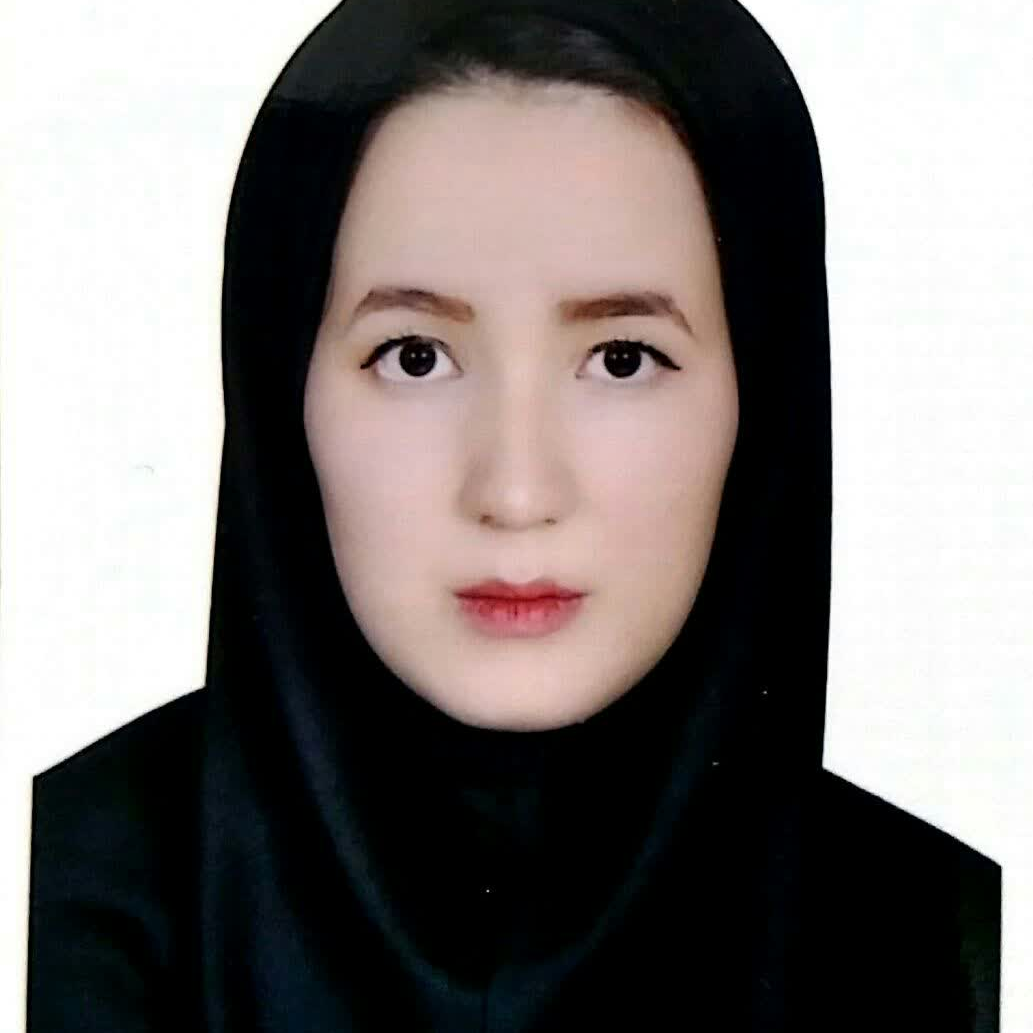
ناهید عارفی
عنوان پایاننامه
نحوه بازنمایی حقوق زنان افغانستان در مطبوعات افغانستان، تحلیل محتوای موردی روزنامه هشت صبح در دو دوره ی زمانی ۱۴۰۰-۱۴۰۱ و ۱۴۰۱-۱۴۰۲
- رشته تحصیلی
- روزنامه نگاري
- مقطع تحصیلی
- کارشناسی ارشد
- محل دفاع
- علوم ارتباطات
- شماره ساختمان محل ارائه
- ۹۴
- نام کلاس محل ارائه
- تالار دفاع ۱
- شماره کلاس محل ارائه
- ۲۲۰
- تاریخ دفاع
- ۲۹ بهمن ۱۴۰۴
- ساعت دفاع
- ۰۹:۰۱
- چکیده
- تحولات سیاسی افغانستان پس از بازگشت طالبان به قدرت در سال ????، بستر فعالیت رسانهای و نحوه طرح و بازنمایی مسائل اجتماعی، بهویژه حقوق زنان را با تغییرات بنیادین مواجه ساخته است. پژوهش حاضر با هدف بررسی چگونگی بازنمایی حقوق زنان افغانستان در روزنامه هشتصبح، به تحلیل محتوای کمی مطالب منتشرشده این روزنامه در بازه زمانی سالهای ???? تا ???? هجری شمسی پرداخته و الگوهای پوشش رسانهای این موضوع را در دو دوره زمانی متمایز، شامل دوره گذار از جمهوریت و دوره تثبیت حاکمیت طالبان، مورد مقایسه قرار دادهاست. این پژوهش با رویکرد تحلیل محتوای کمی و با استفاده از روش تمامشمار انجام شدهاست. جامعه پژوهش شامل کلیه مطالب مرتبط با حقوق زنان در نسخه روزنامهای هشتصبح در بازه زمانی مورد مطالعه بوده و واحد تحلیل، هر مطلب خبری مستقل در قالبهای مختلف ژورنالیستی است. دادهها با بهرهگیری از برگه و کتابچه کدگذاری مبتنی بر چارچوبهای نظری بازنمایی، قاببندی، برجستهسازی، دروازهبانی خبر و رویکردهای فمینیستی رسانه گردآوری و با استفاده از آمار توصیفی و آزمون کایدو در نرمافزار تحلیل شدهاند. یافتههای پژوهش نشان میدهد که میان دو دوره زمانی مورد مطالعه، از نظر الگوهای بازنمایی حقوق زنان، تفاوتهای معنادار آماری وجود دارد. نتایج، حاکی از افزایش فراوانی مطالب مرتبط با حقوق زنان در دوره تثبیت حاکمیت طالبان است. همچنین، بخش قابلتوجهی از این مطالب دارای جهتگیری مشخص بوده و بازنمایی حقوق زنان عمدتاً در قالبی انتقادی و مطالبهمحور صورت گرفته است. این الگوها نشان میدهد که موضوع حقوق زنان در دوره تثبیت، نهتنها از دستور کار رسانه مورد مطالعه خارج نشده، بلکه با تمرکز بیشتری در قالب مسائل ساختاری، اجتماعی و حقوقی بازنمایی شدهاست. در مجموع، نتایج این پژوهش بیانگر آن است که بازنمایی حقوق زنان در روزنامه هشتصبح طی دوره مورد بررسی، تابع تغییرات زمانی و سیاسی بوده و دچار بازآرایی معنادار در سطح کمی و محتوایی شدهاست. کلیدواژهها: بازنمایی رسانهای، حقوق زنان، تحلیل محتوای کمی، روزنامه هشتصبح، طالبان
- Abstract
- The political transformation in Afghanistan following the Taliban’s return to power in ۲۰۲۱ has profoundly affected the media environment and the ways in which social issues, particularly women’s rights, are represented in the press. The present study examines the representation of women’s rights in the Hasht-e Sobh newspaper through a quantitative content analysis of its published materials from ۲۰۲۱ to ۲۰۲۳. Although the study covers a three-year calendar period, the analysis is organized into two analytically defined political phases: the transitional year (۲۰۲۱) and the consolidation period of Taliban rule (۲۰۲۲–۲۰۲۳). This research adopts a quantitative content analysis approach and employs a census method. The research population consists of all newspaper articles related to women’s rights published in the daily edition of Hasht-e Sobh during the selected time frame. The unit of analysis is each independent journalistic item, including news reports, analyses, and other journalistic formats. Data were collected using a coding sheet and a coding manual developed based on the theoretical frameworks of representation, framing, agenda-setting, gatekeeping, and feminist media studies. The data were analyzed using descriptive statistics and the chi-square test through software. The findings indicate statistically significant differences in the patterns of representation of women’s rights between the two political periods under study. Results show an increase in the frequency of women’s rights-related coverage during the consolidation period. Moreover, a substantial proportion of the articles display a clear orientation, with women’s rights predominantly represented through a critical and claim-making perspective. These findings suggest that, during the consolidation of Taliban rule, women’s rights remained a salient issue on the newspaper’s media agenda and were increasingly framed as structural, social, and legal concerns. Overall, the results demonstrate that the representation of women’s rights in Hasht-e Sobh was responsive to political and temporal shifts and underwent a significant reconfiguration at both the quantitative and content levels. Bottom of Form Keywords: Media representation; Women’s rights; Quantitative content analysis; Hasht-e Sobh newspaper; Taliban