
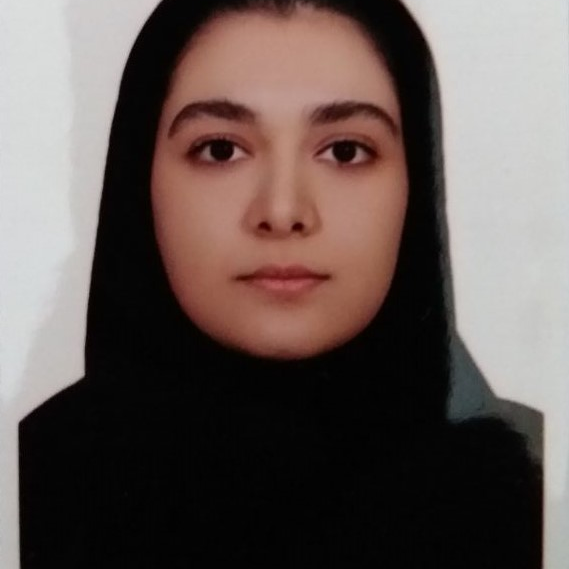
محدثه صادقی نیک
نقش، ساختار و جایگاه روابط عمومی در مطبوعات (سنجش نگرش مدیران روابط عمومی مطبوعات )
- رشته تحصیلی
- روابط عمومي-گرايش روابط عمومي و امور بين الملل
- مقطع تحصیلی
- کارشناسی ارشد
- محل دفاع
- علوم ارتباطات
- شماره ساختمان محل ارائه
- ۹۴
- نام کلاس محل ارائه
- کلاس ۱۰۲[۳۲۱۰۲]
- شماره کلاس محل ارائه
- ۱۰۵
- تاریخ دفاع
- ۳۰ شهریور ۱۴۰۴
- ساعت دفاع
- ۰۶:۰۰
- چکیده
-
این تحقیق از نوع پژوهشهای کیفی است که با استفاده از روش تحلیل مضمون انجام شده است. دادههای مورد نیاز از طریق مصاحبههای نیمهساختاریافته عمیق با نمونهای از ۱۲ نفر از مدیران روابط عمومی روزنامههای سراسری ایران جمعآوری گردیده است.
نتایج تحلیل مضمون نشان داد که روابط عمومی در سازمانهای مطبوعاتی ایران در حال گذر از یک نقش سنتی و اجرایی به یک نقش راهبردی، دادهمحور و اعتمادساز است. مدیران روابط عمومی عمیقاً به اهمیت این واحد بهعنوان مشاور استراتژیک، تحلیلگر افکار عمومی و پل ارتباطی با مخاطبان باور دارند. با این حال، در عمل شکافی عمیق میان این نقش آرمانی و اجرای واقعی آن وجود دارد. یافتهها سه مانع اصلی در مسیر تحقق نقش استراتژیک روابط عمومی را موانع نگرشی، موانع ساختاری و موانع منبعی شناسایی کردند.
آینده روابط عمومی در مطبوعات ایران به توانایی سازمانها در اصلاح ساختارها (بهویژه حرکت به سمت ساختار چابک و گزارشدهی مستقیم به مدیرعامل)، تخصیص منابع هدفمند، و تغییر نگرش مدیران ارشد نسبت به این واحد بهعنوان یک سرمایه برای مدیریت اعتبار و اعتمادسازی اجتماعی وابسته است. این تحول، روابط عمومی را قادر میسازد تا از یک نهاد واکنشی صرف به یک نهاد تحلیلی و پیشبینیگر دادهمحور گذار کند.
کلیدواژهها: روابط عمومی، سازمان مطبوعات، نقش استراتژیک، تحلیل مضمون، ساختار سازمانی
- Abstract
-
Abstract
Public relations (PR) plays a crucial and strategic role in the contemporary world—particularly within press organizations that stand at the forefront of information dissemination and public opinion formation. However, in Iranian press organizations, the nature, function, and organizational position of PR units remain contested, oscillating between a purely executive department and a strategic advisory body. This study aims to examine and analyze the role, structure, and status of public relations in press organizations from the perspective of PR managers, addressing the central research question: “What is the role, structure, and position of public relations in press organizations from the viewpoint of public relations managers?”This qualitative research employs a thematic analysis approach. Data were collected through in-depth semi-structured interviews with twelve public relations managers from national newspapers in Iran.
The thematic analysis revealed that PR in Iranian press organizations is undergoing a transition from a traditional, operational role toward a more strategic, data-driven, and trust-building function. PR managers deeply acknowledge the importance of this unit as a strategic advisor, public opinion analyst, and communicative bridge with audiences. Nevertheless, a significant gap exists between this idealized role and its actual implementation. The findings identified three major obstacles hindering the realization of PR’s strategic role: attitudinal barriers, structural barriers, and resource-related barriers.
The future of PR in Iranian press organizations depends on the ability of institutions to reform their organizational structures (particularly by adopting more agile frameworks and establishing direct reporting lines to top management), allocate resources more purposefully, and transform senior management’s perception of PR as an asset for credibility management and social trust-building. Such transformation would enable PR to evolve from a reactive unit into an analytical, data-driven, and predictive organizational entity.
Keywords: Public Relations, Press Organizations, Strategic Role, Thematic Analysis, Organizational Structure