
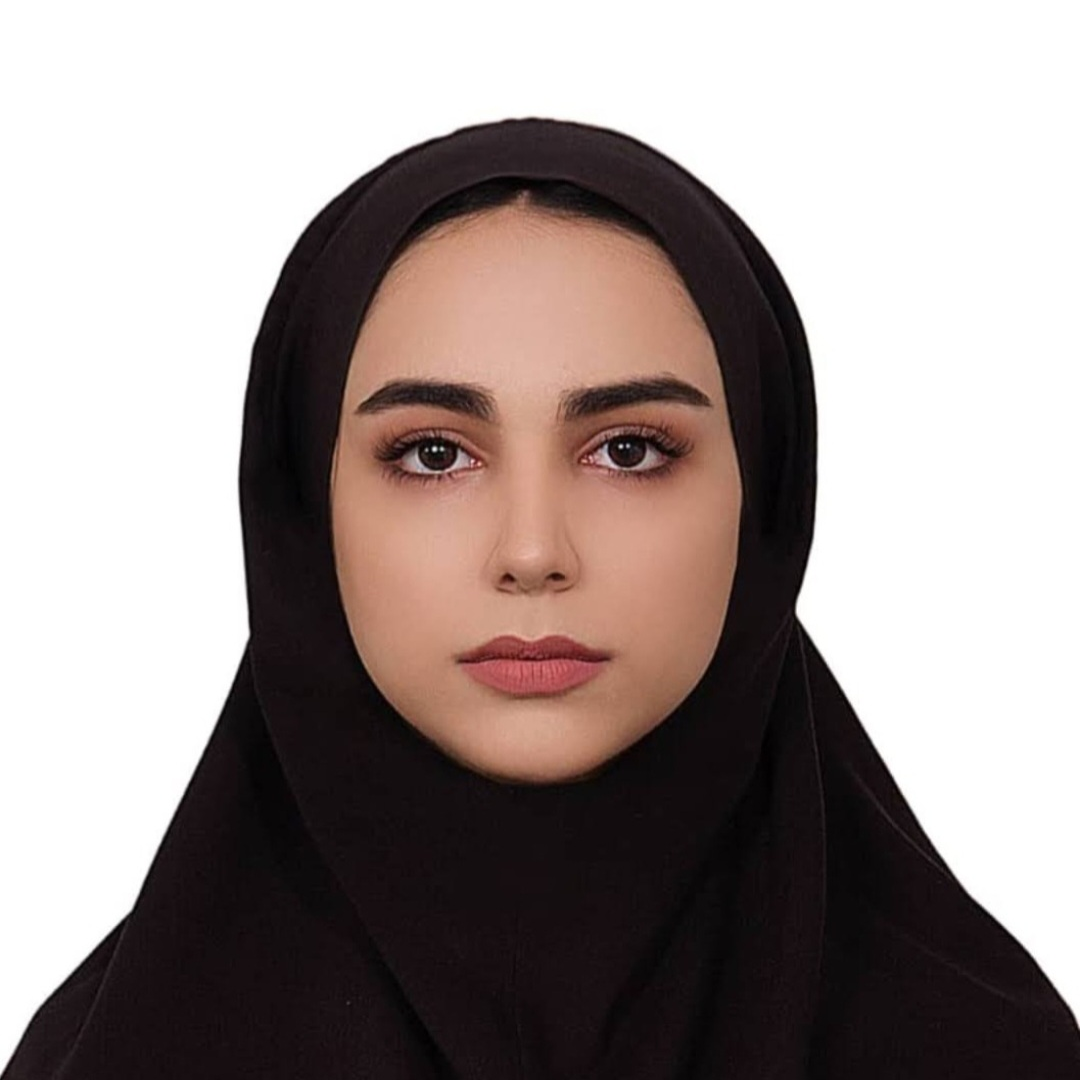
عاطفه احمدی
عنوان پایاننامه
پیش بینی نشانه های اختلال بدریخت انگاری بدن بر اساس سبک های دلبستگی نا ایمن و استفاده افراطی از شبکه های اجتماعی با نقش واسطه ای عزت نفس بدنی در زنان جوان مراجعه کننده برای اقدامات زیبایی
- دانشجو
- عاطفه احمدی
- استاد راهنما
- فریده حسین ثابت
- استاد مشاور
- مهدی خانجانی
- استاد داور
- فرامرز سهرابی اسمرود
- رشته تحصیلی
- روان شناسي عمومي
- مقطع تحصیلی
- کارشناسی ارشد
- تاریخ دفاع
- ۰۹ تیر ۱۴۰۵
- ساعت دفاع
- چکیده
- هدف این پژوهش، ارزیابی مدل مفهومی علائم اختلال بدریختانگاری بدن بر اساس سبکهای دلبستگی ناایمن و استفاده افراطی از شبکههای اجتماعی با در نظر گرفتن نقش واسطهای عزتنفس بدنی در زنان جوان متقاضی اقدامات زیبایی بود. روش این مطالعه توصیفی-همبستگی و از نوع مدلسازی معادلات ساختاری با رویکرد کوواریانسمحور بود. جامعه آماری شامل زنان ?? تا ?? ساله مراجعهکننده به کلینیکهای زیبایی شهر تهران در سال ???? بود که ??? نفر از آنها به روش نمونهگیری در دسترس انتخاب شدند و به مقیاسهای تجارب مربوط به روابط نزدیک (ECR)، اعتیاد به اینترنت (IAT)، عزتنفس بدنی (BES) و سیاهه نگرانی از تصویر بدنی (BICI) پاسخ دادند. دادههای گردآوریشده پس از بررسی مقدماتی و اطمینان از کفایت شاخصهای آماری، با استفاده از نرمافزار AMOS۲۴ و در چارچوب مدلسازی معادلات ساختاری مورد تحلیل قرار گرفتند. یافتههای حاصل از تحلیل دادهها در نرمافزار AMOS۲۴ نشان داد که مدل مفهومی از برازش مطلوبی برخوردار است و در مجموع توانست ?? درصد از واریانس علائم بدریختانگاری بدن را تبیین کند. نتایج حاکی از آن بود که دلبستگی اضطرابی و استفاده افراطی از شبکههای اجتماعی بهصورت مستقیم و مثبت، و عزتنفس بدنی بهصورت مستقیم و منفی، علائم اختلال را پیشبینی میکنند. همچنین، عزتنفس بدنی نقش واسطهای در رابطه میان سبکهای دلبستگی و استفاده از شبکههای اجتماعی با شدت علائم اختلال ایفا کرد. یافتهای متمایز نشان داد که سبک دلبستگی اجتنابی برخلاف پیشبینی اولیه، رابطه مستقیمی با افزایش عزتنفس بدنی گزارششده داشت که بهعنوان یک راهبرد دفاعی برای پنهانسازی ناامنیهای درونی تفسیر شد. نتیجهگیری کلی پژوهش بیانگر آن است که اختلال بدریختانگاری بدن در متقاضیان جراحی زیبایی، پدیدهای چندلایه است که از تلاقی آسیبپذیریهای تحولی ریشهدار و فشارهای محیطی معاصر ناشی میشود. این یافتهها بر ضرورت حیاتی اجرای پروتکلهای غربالگری روانشناختی پیش از جراحی برای شناسایی متقاضیان دارای علائم بالینی و پیشگیری از انجام اقدامات تهاجمی مکرر و غیرضروری تأکید دارد و اهمیت توجه همزمان به عوامل فردی، تحولی و اجتماعی را در ارزیابی و مداخلههای پیشگیرانه و درمانی برجسته میسازد.
- Abstract
- The purpose of this study was to evaluate the conceptual model of body dysmorphic disorder symptoms based on insecure attachment styles and excessive use of social media, considering the mediating role of body self-esteem in young women seeking cosmetic procedures. The method of this study was descriptive-correlational and of the structural equation modeling type with a covariance-based approach. The statistical population included women aged ۲۳ to ۳۵ referring to cosmetic clinics in Tehran in the year ۱۴۰۵, ۴۷۱ of whom were selected using the convenience sampling method and responded to the Experiences in Close Relationships (ECR), Internet Addiction Test (IAT), Body Esteem Scale (BES), and Body Image Concern Inventory (BICI). The collected data, after preliminary review and ensuring the adequacy of statistical indices, were analyzed using AMOS۲۴ software within the framework of structural equation modeling. The findings obtained from data analysis in AMOS۲۴ software showed that the conceptual model has a favorable fit and overall was able to explain ۴۹% of the variance of body dysmorphic symptoms. The results indicated that anxious attachment and excessive use of social networks directly and positively, and body self-esteem directly and negatively, predict the symptoms of the disorder. Also, body self-esteem played a mediating role in the relationship between attachment styles and social network use with the severity of the disorder symptoms. A distinctive finding showed that, contrary to the initial prediction, the avoidant attachment style had a direct relationship with increased reported body self-esteem, which was interpreted as a defensive strategy to conceal internal insecurities. The general conclusion of the research indicates that body dysmorphic disorder in cosmetic surgery applicants is a multi-layered phenomenon arising from the intersection of deep-rooted developmental vulnerabilities and contemporary environmental pressures. These findings emphasize the vital necessity of implementing pre-surgical psychological screening protocols to identify applicants with clinical symptoms and prevent repeated and unnecessary invasive procedures, and highlight the importance of simultaneous attention to individual, developmental, and social factors in assessment and preventive and therapeutic interventions.