
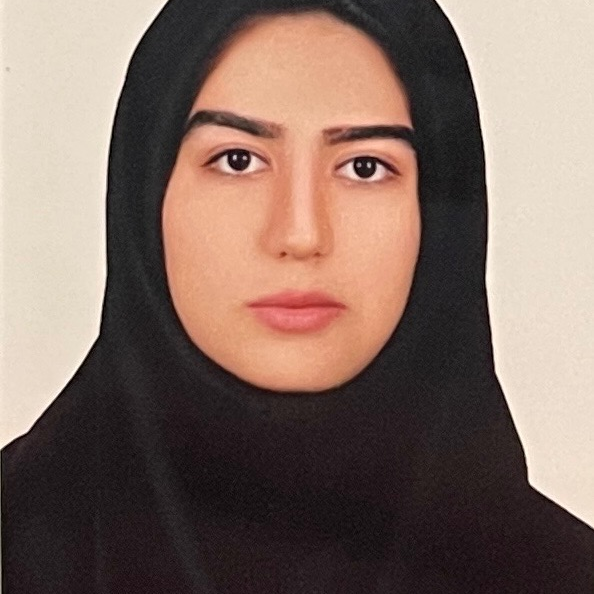
زهراسادات خیراندیش
عنوان پایاننامه
ّّپیش بینی افکار خودکشی بر اساس نوع تروماهای دوران کودکی و فراهیجان با نقش میانجی نوع پاسخ دهی به تروما در دانشجویان.
- دانشجو
- زهراسادات خیراندیش
- استاد راهنما
- زهره رافضی
- استاد مشاور
- فریده حسین ثابت
- استاد داور
- عبدالله معتمدی
- رشته تحصیلی
- روان شناسي عمومي
- مقطع تحصیلی
- کارشناسی ارشد
- محل دفاع
- روانشناسی و علوم تربیتی
- شماره ساختمان محل ارائه
- ۳۱
- نام کلاس محل ارائه
- کلاس ۲۰۲[۲۲۲۰۲]
- شماره کلاس محل ارائه
- ۳۰۲
- تاریخ دفاع
- ۳۰ بهمن ۱۴۰۴
- ساعت دفاع
- ۱۰:۳۰
- چکیده
- با توجه به شیوع افکار خودکشی در جمعیت دانشجویی و نقش عوامل تحولی و هیجانی در شکلگیری آن، شناسایی سازوکارهای روانشناختی مؤثر بر این پدیده از اهمیت بالایی برخوردار است. تجربههای آسیبزای دوران کودکی و نحوه پردازش هیجانها میتوانند زمینهساز آسیبپذیری روانی در دوره بزرگسالی شوند. پژوهش حاضر با هدف پیشبینی افکار خودکشی بر اساس تروماهای دوران کودکی و فراهیجانها با نقش میانجی سبکهای پاسخدهی به تروما انجام شد. جامعه آماری شامل ۳۵۱ دانشجوی ساکن تهران (۱۸ تا ۳۴ سال) بود که پس از حذف پاسخهای نامعتبر، دادههای ۲۶۱ نفر با استفاده از پرسشنامههای استاندارد گردآوری و با مدلسازی معادلات ساختاری مبتنی بر حداقل مربعات جزئی تحلیل شدند. نتایج آمار توصیفی نشان داد که بخش عمده نمونه را زنان و افراد مجرد تشکیل میدادند و میانگین سنی در محدوده بزرگسالی اولیه قرار داشت. یافتههای استنباطی نشان دادند که در میان انواع تروماهای دوران کودکی، غفلت عاطفی و سوءاستفاده عاطفی بیشترین سهم را در پیشبینی افکار خودکشی دارند. همچنین، در میان فراهیجانها، شرم و خشم اثرگذاری معناداری بر افزایش افکار خودکشی داشتند، در حالی که فراهیجانهای مثبت مانند شفقت نقش محافظتی ایفا کردند. در سبکهای پاسخدهی به تروما، مؤلفه رضایتجویی بهعنوان قویترین میانجی شناخته شد و ارتباط بین تروماهای دوران کودکی و افکار خودکشی را بهطور چشمگیری توضیح داد. برازش کلی مدل مطلوب بود و توانست روابط مستقیم و غیرمستقیم میان متغیرها را تبیین کند. بر اساس این نتایج، میتوان گفت ترکیب تروماهای دوران کودکی، فراهیجانهای منفی و سبکهای پاسخدهی رضایتجویی از مهمترین عوامل خطر در شکلگیری افکار خودکشی در دانشجویان ایرانی هستند. این یافتهها ضرورت طراحی مداخلات پیشگیرانه مبتنی بر تروما، آموزش تنظیم هیجان و اصلاح سبکهای پاسخدهی ناسازگار را برجسته میسازد و میتواند مبنایی برای سیاستگذاریهای سلامت روان و توسعه برنامههای آموزشی و درمانی در دانشگاهها باشد.
- Abstract
- Given the high prevalence of suicidal ideation among university students and the critical role of developmental and emotional factors in its emergence, identifying the psychological mechanisms underlying this phenomenon is of substantial importance. Adverse childhood experiences and the ways in which emotions are processed may contribute to increased psychological vulnerability in adulthood. The present study aimed to predict suicidal ideation based on childhood trauma and meta-emotions, with trauma response styles examined as mediating variables. The study population consisted of ۳۵۱ university students residing in Tehran, aged ۱۸ to ۳۴ years. After excluding invalid responses, data from ۲۶۱ participants were collected using standardized questionnaires and analyzed through Partial Least Squares Structural Equation Modeling (PLS-SEM). Descriptive statistics indicated that the majority of participants were female and single, with a mean age within the early adulthood range. Inferential findings revealed that among different types of childhood trauma, emotional neglect and emotional abuse accounted for the largest proportion of variance in predicting suicidal ideation. Furthermore, among meta-emotions, shame and anger showed significant positive effects on suicidal ideation, whereas positive meta-emotions such as compassion demonstrated a protective role. Regarding trauma response styles, the appeasement component emerged as the strongest mediator, substantially explaining the relationship between childhood trauma and suicidal ideation. The overall model exhibited satisfactory goodness of fit and successfully explained both direct and indirect relationships among the study variables. Overall, the findings suggest that the combination of childhood trauma, negative meta-emotions, and maladaptive trauma response styles—particularly appeasement—constitutes a major risk profile for suicidal ideation among Iranian university students. These results underscore the importance of developing trauma-informed preventive interventions, emotion regulation training, and strategies aimed at modifying maladaptive response styles. Such efforts may inform mental health policy-making and contribute to the design of effective educational and therapeutic programs within university settings.