
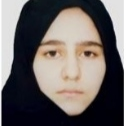
زهرا ال علی
عنوان پایاننامه
طراحی و اعتباریابی برنامه درسی تربیت بدنی دوره ابتدایی ایران بر اساس رویکرد سبک زندگی فعال
- دانشجو
- زهرا ال علی
- استاد راهنما
- علیرضا صادقی, محمد جوادی پور
- استاد داور
- مصطفی قادری, رضوان حکیم زاده
- رشته تحصیلی
- برنامه ريزي درسي
- مقطع تحصیلی
- دکتری تخصصی PhD
- ساعت دفاع
- چکیده
- پژوهش حاضر با هدف طراحی و اعتباریابی الگوی برنامه درسی تربیتبدنی دوره ابتدایی ایران بر اساس رویکرد سبک زندگی فعال انجام شد. با توجه به افزایش کمتحرکی و پیامدهای جسمانی و روانی آن در کودکان، ضرورت بازنگری در برنامه درسی تربیتبدنی با نگاهی فراتر از آموزش مهارتهای حرکتی احساس میشود. این پژوهش با رویکرد کیفی و چندروشی طراحی و اجرا گردید. در مرحله نخست، مؤلفههای مؤثر بر برنامه درسی تربیتبدنی مبتنی بر سبک زندگی فعال از طریق مرور نظاممند منابع داخلی و خارجی (بر اساس مدل سندلوسکی و باروسو) و انجام مصاحبههای نیمهساختاریافته با خبرگان حوزه تربیتبدنی و برنامهریزی درسی شناسایی شد. دادهها با استفاده از رویکرد تحلیل مضمون، تحلیل گردید. در مرحله دوم، با استفاده از روش تحلیل استنتاجی و بر اساس مؤلفههای استخراجشده، الگوی اولیه برنامه درسی طراحی شد. مرحله سوم به اعتباریابی الگو از طریق گروه متمرکز اختصاص یافت که با مشارکت هشت نفر از خبرگان دانشگاهی، کارشناسان آموزشی و معلمان تربیتبدنی انجام شد. دادههای حاصل از گروه متمرکز با روش فوکوس گروپ بررسی و اصلاحات لازم در الگو اعمال گردید. یافتهها منجر به تدوین الگویی چهارسطحی شامل پیشنیازها و زمینهها، طراحی و محتوا، اجرا و مشارکت و پایش و بازخورد و ?? مؤلفه بههمپیوسته شد. نتایج اعتباریابی نشان داد که الگوی پیشنهادی از روایی محتوایی مطلوب، انسجام نظری و قابلیت اجرایی مناسب برخوردار است. این الگو میتواند بهعنوان چارچوبی علمی و کاربردی برای ارتقای برنامه درسی تربیتبدنی و نهادینهسازی سبک زندگی فعال در مدارس ابتدایی ایران مورد استفاده قرار گیرد.
- Abstract
- The present study aimed to design and validate a curriculum model for physical education in Iranian elementary schools based on the active lifestyle approach. Given the increasing prevalence of physical inactivity among children and its associated physical and psychological consequences, there is a growing need to reconsider the physical education curriculum beyond a narrow focus on motor skill instruction. This study was designed and conducted using a qualitative, multi-method approach. In the first phase, the components influencing an active lifestyle–based physical education curriculum were identified through a systematic review of national and international literature (based on the Sandelowski and Barroso model) and semi-structured interviews with experts in physical education and curriculum planning. The data were analyzed using thematic analysis. In the second phase, an initial curriculum model was developed through inferential analysis based on the extracted components. The third phase focused on validating the model through a focus group involving eight university faculty members, educational experts, and physical education teachers. The data obtained from the focus group were examined, and necessary revisions were applied to the model. The findings led to the development of a four-level model comprising prerequisites and contexts, design and content, implementation and participation, and monitoring and feedback, along with ۲۲ interrelated components. The validation results indicated that the proposed model demonstrates satisfactory content validity, theoretical coherence, and practical feasibility. This model can serve as a scientific and practical framework for improving the physical education curriculum and institutionalizing an active lifestyle in Iranian elementary schools.