
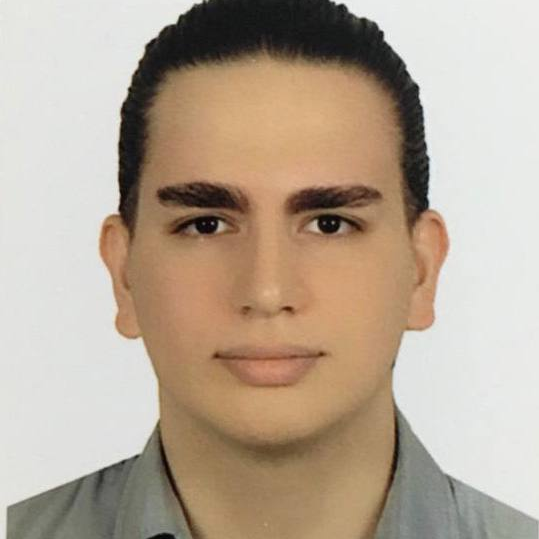
محمد اسفندیاری
عنوان پایاننامه
تأثیر حافظه کاری دیداری بر انتقال الگوهای زمانی از ابعاد ادراک زمان در تکالیف دیداری و شنیداری با نقش تعدیل گر انگیختگی
- رشته تحصیلی
- روان شناسي عمومي
- مقطع تحصیلی
- کارشناسی ارشد
- محل دفاع
- روانشناسی و علوم تربیتی
- شماره ساختمان محل ارائه
- ۳۱
- نام کلاس محل ارائه
- کلاس ۲۰۳[۲۲۲۰۳]
- شماره کلاس محل ارائه
- ۳۰۳
- تاریخ دفاع
- ۲۹ بهمن ۱۴۰۴
- ساعت دفاع
- ۱۲:۰۰
- چکیده
- You said:ادراک زمان یکی از کارکردهای بنیادین شناختی است که نقش مهمی در سازماندهی رفتار، پیشبینی رویدادهای آینده و تنظیم پاسخهای سازگارانه ایفا میکند. بر اساس نظریه ردپای چندگانه آمادگی زمانی (MTP)، آمادگی برای وقوع رویدادهای آینده حاصل بازیابی تداعیگرایانه ردپاهای حافظهای شکلگرفته از تجارب زمانی پیشین است. با وجود شواهد تجربی گسترده در حوزه دیداری، تعمیم این سازوکار به حالتهای حسی مختلف و نیز نقش منابع اجرایی و وضعیتهای فیزیولوژیک در آن هنوز بهطور کامل روشن نشده است. هدف پژوهش حاضر بررسی تأثیر ظرفیت حافظه کاری دیداری بر انتقال الگوهای زمانی در تکالیف دیداری و شنیداری با در نظر گرفتن نقش تعدیلگر انگیختگی است. در این پژوهش، ظرفیت حافظه کاری دیداری از طریق تکلیف تشخیص تغییر سنجیده شد و انتقال الگوهای زمانی با استفاده از پارادایم پیشفاصله متغیر و شاخص زمان واکنش ارزیابی گردید. انگیختگی نیز به کمک پرسشنامه AD-ACL و شاخصهای فیزیولوژیک اندازهگیری شد. انتظار میرود افراد با ظرفیت بالاتر حافظه کاری دیداری انتقال پایدارتر و قویتری از الگوهای زمانی نشان دهند و این اثر در دو حالت حسی بهصورت متفاوت بروز کند. همچنین پیشبینی میشود انگیختگی با تعدیل سرعت ساعت درونی، شدت رابطه بین حافظه کاری دیداری و انتقال زمانی را تغییر دهد. یافتههای این پژوهش میتواند به تبیین یکپارچهتری از تعامل سازوکارهای حافظهمحور آمادگی زمانی، محدودیتهای اجرایی و وضعیتهای فیزیولوژیک در ادراک زمان منجر شود.
- Abstract
- Time perception is one of the fundamental cognitive functions that plays an important role in organizing behavior, predicting future events, and regulating adaptive responses. According to the Multiple Trace Theory of Temporal Preparation (MTP), preparation for future events results from the associative retrieval of memory traces formed from previous temporal experiences. Despite extensive empirical evidence in the visual domain, the generalization of this mechanism across different sensory modalities, as well as the role of executive resources and physiological states in this process, has not yet been fully clarified. The aim of the present study is to examine the effect of visual working memory capacity on the transfer of temporal patterns in visual and auditory tasks, while considering the moderating role of arousal. In this study, visual working memory capacity was assessed using a change detection task, and the transfer of temporal patterns was evaluated through a variable foreperiod paradigm using reaction time as the primary index. Arousal was measured using the AD-ACL questionnaire along with physiological indices. It is expected that individuals with higher visual working memory capacity will demonstrate stronger and more stable transfer of temporal patterns, and that this effect will manifest differently across the two sensory modalities. It is also predicted that arousal, by modulating the speed of the internal clock, will alter the strength of the relationship between visual working memory capacity and temporal transfer. The findings of this study may contribute to a more integrated account of the interaction between memory-based mechanisms of temporal preparation, executive limitations, and physiological states in time perception.