
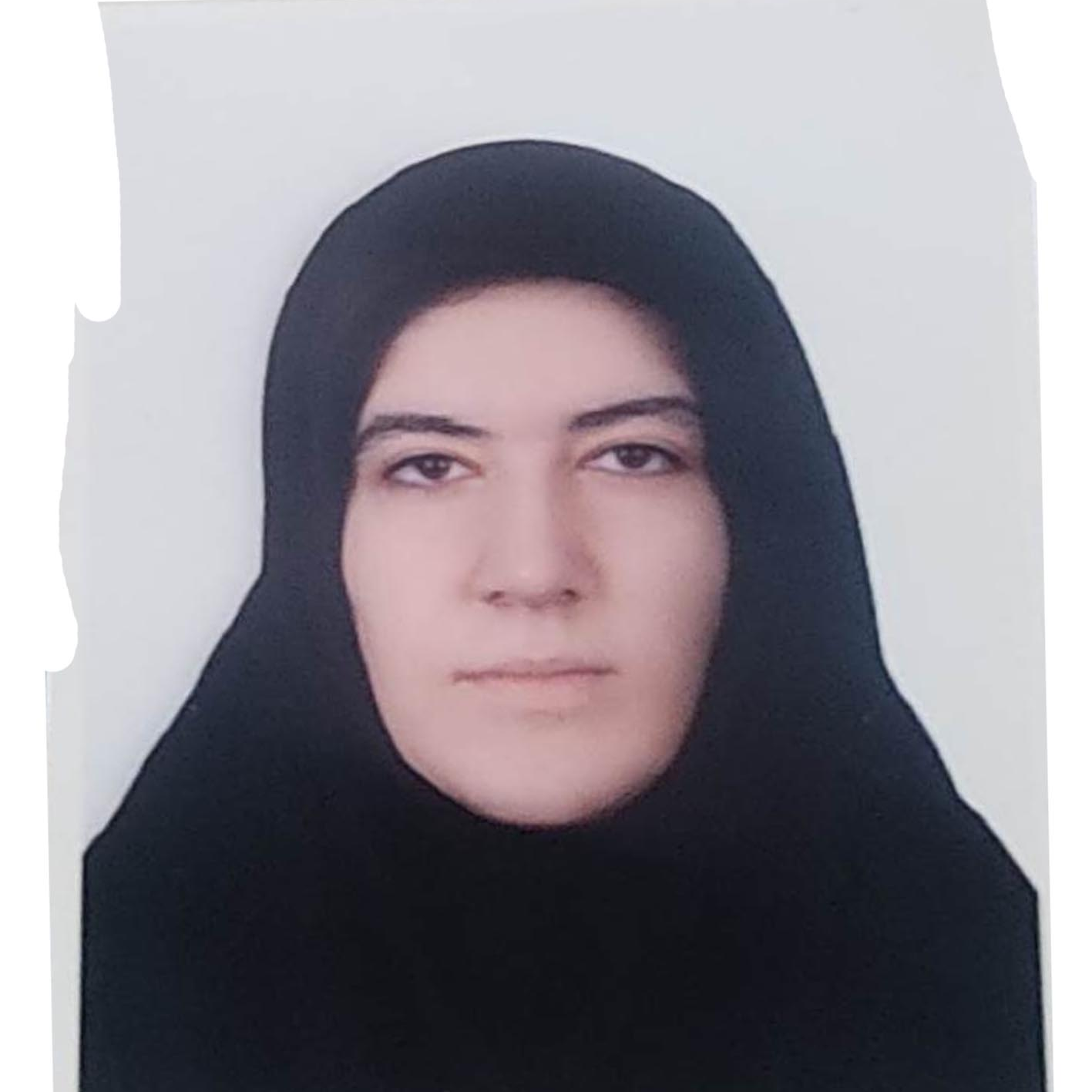
فاطمه ثقفی
بررسی تطبیقی هیئت های رسیدگی به اختلافات و کمیته های کارشناسی در عرصه بین الملل با نهادهای مشابه ایران: تحلیل کارآیی، مزایا ، چالشها و امکان جایگزینی با نهاد داوری در صنعت نفت و گاز
- دانشجو
- فاطمه ثقفی
- استاد راهنما
- حمیدرضا علومی یزدی
- استاد مشاور
- عباس کاظمی نجف ابادی
- استاد داور
- مهدی هداوند
- رشته تحصیلی
- حقوق نفت و گاز
- مقطع تحصیلی
- کارشناسی ارشد
- محل دفاع
- حقوق و علوم سیاسی
- شماره ساختمان محل ارائه
- ۳۸
- نام کلاس محل ارائه
- کلاس ۲۰۶[۲۳۲۰۶]
- شماره کلاس محل ارائه
- ۳۰۶
- تاریخ دفاع
- ۳۱ شهریور ۱۴۰۴
- ساعت دفاع
- ۱۲:۰۰
- چکیده
-
هیأت های حل و فصل اختلاف و کارشناسی بهعنوان سازوکارهای نوین حل اختلاف، نقش بسزایی در مدیریت منازعات پروژههای بزرگ صنعت نفت و گاز ایفا میکنند. پژوهش حاضر با هدف تحلیل جامع این نهادها در سطح ملی و بینالمللی، به بررسی تطبیقی ساختار، صلاحیت و آیین رسیدگی آنها پرداخته است و در نهایت به امکان سنجی جایگزینی این نهاد با داوری در صنعت نفت و گاز می پردازد. روش تحقیق توصیفی-تحلیلی بوده و با بررسی اسناد حقوقی، قراردادهای بینالمللی ، دستورالعملهای وزارت نفت و مطالعات موردی، چالشها و فرصتهای پیشروی این نهادها شناسایی شدهاند. یافتههای پژوهش نشان میدهد که هیأت های حل اختلاف با سه مدل اصلی هیأت های بررسی اختلافات (توصیههای غیرالزامآور)، هیأت های داوری اختلافات (تصمیمات الزامآور موقت) و هیأت های ترکیبی (ترکیبی)، در کاهش ۷۰ تا ۹۰ درصدی اختلافات موفق بودهاند. در ایران، علیرغم پیشرفتهای اخیر در تدوین دستورالعملها، چالشهایی نظیر فقدان چارچوب قانونی جامع، عدم الزامآوری آراء و کمبود متخصصان باتجربه همچنان مشهود است. همچنین، تعیین کارشناس و هیأت کارشناسی نیز بهعنوان روشی تخصصی در حل اختلافات فنی نفت و گاز، علیرغم مزایای سرعت و دقت، با چالشهایی در اجرای آراء مواجه است. نتایج حاکی از آن است که ادغام هیأت های حل اختلاف در ساختار قراردادهای نفتی ایران، تدوین قانون جامع، ایجاد مرکز ملی آموزش و اعتباربخشی متخصصان، و هماهنگی با استانداردهای بینالمللی میتواند کارایی این نهادها را بهطور چشمگیری افزایش دهد. پژوهش پیشنهاد میکند که با الگوبرداری از تجارب موفق بینالمللی و بومیسازی آنها، میتوان نظام حل اختلاف کارآمدی برای صنعت نفت و گاز ایران طراحی نمود که جایگزینی کارآمد برای داوری در این صنعت باشد .
واژگان کلیدی: ادغام هیأت های حل اختلاف ، انواع هیأت ها ی حل اختلاف ، تعیین کارشناس ، جایگزینی با داوری ، حل اختلافات صنعت نفت و گاز، هیأت حل اختلاف، هیأت کارشناسی
- Abstract
-
Dispute Resolution Boards and Expert Panels, as modern mechanisms of dispute settlement, play a pivotal role in managing conflicts in large-scale oil and gas projects. This study aims to provide a comprehensive analysis of these institutions at both national and international levels, through a comparative examination of their structure, jurisdiction, and procedural mechanisms. Ultimately, it evaluates the feasibility of substituting these mechanisms for arbitration in the oil and gas industry.
The research adopts a descriptive–analytical methodology, drawing upon legal instruments, international contracts, guidelines issued by the Ministry of Petroleum, and case studies to identify the challenges and opportunities faced by these institutions. The findings demonstrate that Dispute Resolution Boards, operating in three main models—Dispute Review Boards (non-binding recommendations), Dispute Adjudication Boards (provisionally binding decisions), and Combined Boards (hybrid forms)—have successfully reduced disputes by ۷۰–۹۰ percent. In Iran, despite recent progress in drafting relevant guidelines, significant challenges remain, including the absence of a comprehensive legal framework, the non-binding nature of decisions, and a shortage of experienced professionals. Likewise, expert determination and expert panels, while providing advantages such as speed and technical precision, encounter difficulties with the enforceability of their outcomes.
The results suggest that integrating Dispute Resolution Boards into Iranian oil and gas contracts, enacting comprehensive legislation, establishing a national center for the training and accreditation of specialists, and harmonizing domestic practices with international standards can considerably enhance the effectiveness of these mechanisms. The study concludes that by drawing on successful international experiences and adapting them to the local context, Iran can develop an efficient dispute resolution framework for its oil and gas industry—one that offers a viable alternative to arbitration.
Keywords: Integration of dispute boards, types of dispute resolution boards, expert determination, substitution for arbitration, dispute resolution in the oil and gas industry, dispute boards, expert panels.