
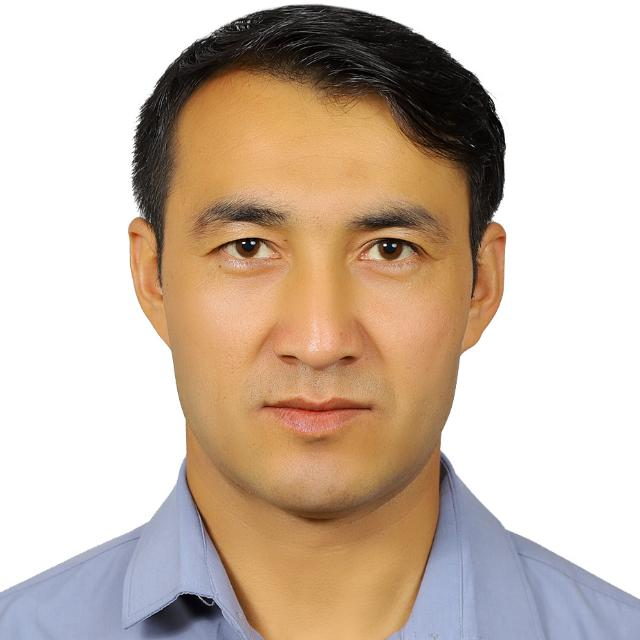
محمدعلی شهاب
عنوان پایاننامه
نقد شش رمان شاخص دو ده? هشتاد و نود افغانستان، بر مبنای گفتمان قدرت فوکو
- دانشجو
- محمدعلی شهاب
- استاد راهنما
- یحیی طالبیان, شیرزاد طایفی
- استاد مشاور
- محمدحسن حسن زاده نیری
- استاد داور
- علیرضا امیدبخش, بتول واعظ
- رشته تحصیلی
- زبان و ادبيات فارسي
- مقطع تحصیلی
- دکتری تخصصی PhD
- ساعت دفاع
- چکیده
- چکیده نظری? گفتمان قدرت فوکو، یکی از روشهای مطرح در تحلیل متن است. در این نظریه، تحلیل متن فراتر از عناصر زبانی است و بیشتر پشتوان? گفتمانی متون در مرکز توجه قرار دارد. فوکو بر این باور است که قدرت در دست یک فرد نیست و به صورت شبکهای از روابط اجتماعی در تمام ابعاد زندگی نفوذ دارد. به باور او پدیدهای به نام دانش، همیشه در دایر? قدرت تولید میشود و گفتمان محل تلاقی قدرت و دانش است. با توجه به نظری? فوکو، رمانهای معاصر افغانستان نیز تحت تأثیر گفتمان قدرت تولید شدهاند. این پژوهش، شش رمانِ شاخصِ دو ده? هشتاد و نود افغانستان را بر مبنای گفتمان قدرت فوکو نقد کرده است. ادبیات داستانی این دو دهه، با توجه به درونمایه و دامن? روایت، بخشِ زیادی از حوادثِ تاریخِ معاصر افغانستان را پوشش میدهد. این پژوهش در پیِ پاسخ به این پرسش است که رمانهای دو ده? هشتاد و نود، برآمده از درون چه گفتمانهایی هستند و سازوکار جریانهای قدرت، چگونه در این رمانها بازنمایی شده است؟ پژوهشِ حاضر با استفاده از روش تحلیل کیفی و با بهرهگیری از مطالعات کتابخانهای و اسنادی، انجام شده است؛ به گونهای که دادههای مستخرج از متن داستانهای انتخاب شده، در یک برهمکنش تعاملگرایانه با نظری? گفتمان قدرت فوکو مطالعه شده و از پژوهشهای همسو نیز مدد جستهایم تا به معنیآفرینیهای جدیدی برسیم. این پژوهش در پیِ رسیدن به این هدف است که شش رمان شاخص دو ده? هشتاد و نود افغانستان را بر مبنای آرای میشلفوکو تحلیل و گفتمانهای مطرح در این رمانها را شناسایی کند. نتیج? پژوهش نشان میدهد که گفتمانهای پادشاهی، اقتصاد، چپگرا، مجاهدین، قومیت، ایدئولوژی اسلامی، سنت اجتماعی، طالبان و دموکراسی غربی در یک ارتباط معنیدار، رمانهای دو ده? هشتاد نود افغانستان را شکل داده است. سازوکار قدرت در این رمانها اغلب با اعمال زور همراه است و نهادهای اجتماعی نیز در خدمت منافع قدرت قرار دارند. همچنین این پژوهش نشان میدهد که منافع، رقابتها و فشارهای سیاسی کشورهای خارجی، در جریانهای قدرت در افغانستان دخیل بوده است.
- Abstract
- Abstract Foucault’s theory of discourse and power is one of the key approaches in text analysis. In this theory, textual analysis goes beyond linguistic elements and instead focuses on the discursive foundations underlying texts. Foucault believes that power is not concentrated in the hands of a single individual but rather operates as a network of social relations that penetrates all aspects of life. According to him, knowledge is always produced within the sphere of power, and discourse is the point where power and knowledge intersect. Based on Foucault’s theory, contemporary Afghan novels have also been produced under the influence of power discourses. This study critiques six prominent Afghanistan’s novels from the ۲۰۰۰s to ۲۰۱۰ through the lens of Foucault’s discourse of power. The fiction of these two decades, considering its themes and narrative scope, covers a substantial portion of modern Afghan history. The main question this research seeks to answer is: What discourses have shaped the novels of these decades, and how are the mechanisms of power represented within them? Using qualitative analysis and a combination of library and documentary research, the study examines the data extracted from selected novels through an interactive relationship with Foucault’s theory of discourse and power, while also drawing on related studies to achieve new interpretations. The aim is to analyze six representative novels of the two decades in light of Michel Foucault’s ideas and to identify the dominant discourses present in them.The findings reveal that the discourses of monarchy, economy, communism ideology, Jihad, ethnicity, Islamic ideology, social tradition, Taliban, and Western democracy have meaningfully shaped Afghanistan novels of the ۲۰۰۰ to ۲۰۲۱. The mechanisms of power in these works are often accompanied by coercion, and social institutions function in service of power interests. Moreover, the research shows that the interests, rivalries, and political pressures of foreign countries have also influenced the dynamics of power within Afghanistan.