
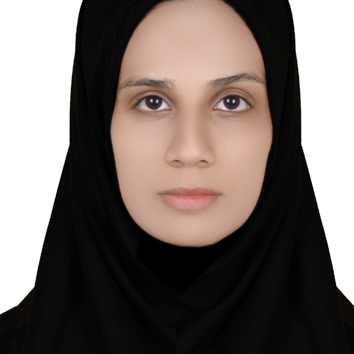
ام البنین اسدپور
عنوان پایاننامه
تأثیر یادگیری تلفیقی با کمک داده کاوی آموزشی بر مهارت نگارش دانش آموزان دوره دوم ابتدایی
- رشته تحصیلی
- تكنولوژي آموزشي
- مقطع تحصیلی
- کارشناسی ارشد
- محل دفاع
- روانشناسی و علوم تربیتی
- شماره ساختمان محل ارائه
- ۳۱
- نام کلاس محل ارائه
- کلاس ۱۰۲[۲۲۱۰۲]
- شماره کلاس محل ارائه
- ۲۰۲
- تاریخ دفاع
- ۳۰ بهمن ۱۴۰۴
- ساعت دفاع
- ۱۲:۰۰
- چکیده
- هدف از پژوهش حاضر، بررسی تأثیر یادگیری تلفیقی به کمک دادهکاوی آموزشی بر بهبود مهارت نگارش و بهویژه توانایی بندنویسی در دانشآموزان دوره دوم ابتدایی است. روش پژوهش از نوع نیمهآزمایشی با طرح پیشآزمون-پسآزمون با گروه کنترل بود. جامعه آماری شامل کلیه دانشآموزان پایه ششم استان هرمزگان در سال تحصیلی ????-???? بود که از میان آنها ?? نفر به روش نمونهگیری تصادفی ساده انتخاب و در سه گروه ?? نفره (گروه آزمایش یک: یادگیری تلفیقی با کمک دادهکاوی آموزشی، گروه آزمایش دو: یادگیری تلفیقی بدون دادهکاوی آموزشی و گروه کنترل: روش سنتی) جایگزین شدند. ابزار گردآوری دادهها شامل فهرست ارزیابی بازنگری شده توسط محقق ، مهارت نگارش در سطح بند نویسی آگان و دنیز (????) در سه مؤلفه محتوا، ساختار بند، دستور زبان ، بود. یافتههای حاصل از تحلیل کوواریانس نشان داد که استفاده از یادگیری تلفیقی غنیشده با ابزارهای دادهکاوی آموزشی تأثیر مثبت و معنیداری بر بهبود مهارت نگارش دانشآموزان دارد. نتایج مقایسههای زوجی حاکی از آن بود که گروه آزمایش یک عملکرد بهمراتب بهتری نسبت به دو گروه دیگر داشت و گروه یادگیری تلفیقی ساده نیز بر روش سنتی برتری نشان داد. در نتیجه، بهرهگیری از راهبرد های دادهکاوی آموزشی با شناسایی دانش آموزان در معرض خطر و نقاط ضعف دانشآموزان در سامانه آموزشی آنلاین طراحی شده ، امکان ارائه بازخوردهای شخصیسازی شده را فراهم کرده و منجر به ارتقای مهارت نگارش در سه محور انسجام محتوا ، ساختار بند و دستور زبان میشود.
- Abstract
- The purpose of the present study was to investigate the impact of blended learning, enhanced by educational data mining (EDM), on improving writing skills, specifically paragraph writing abilities, among upper elementary students. The research method was quasi-experimental, employing a pretest-posttest design with a control group. The statistical population consisted of all sixth-grade students in Hormozgan Province during the ۲۰۲۵-۲۰۲۶ academic year. From this population, ۶۰ students were selected through simple random sampling and assigned to three groups of ۲۰: Experimental Group ۱ (blended learning with EDM), Experimental Group ۲ (blended learning without EDM), and the Control Group (traditional method). The data collection instrument included a researcher-revised checklist based on the paragraph-level writing skills framework by A?an and Deniz (۲۰۱۹), covering three components: content, paragraph structure, and grammar. The findings from the analysis of covariance (ANCOVA) indicated that using blended learning enriched with educational data mining tools has a positive and significant impact on improving students' writing skills. The results of pairwise comparisons revealed that Experimental Group ۱ performed significantly better than the other two groups, and the simple blended learning group also outperformed the traditional group. In conclusion, utilizing educational data mining strategies by identifying "at-risk" students and pinpointing students' weaknesses within the designed online learning system allows for the provision of personalized feedback. This process leads to the enhancement of writing skills across three axes: content coherence, paragraph structure, and grammar.