
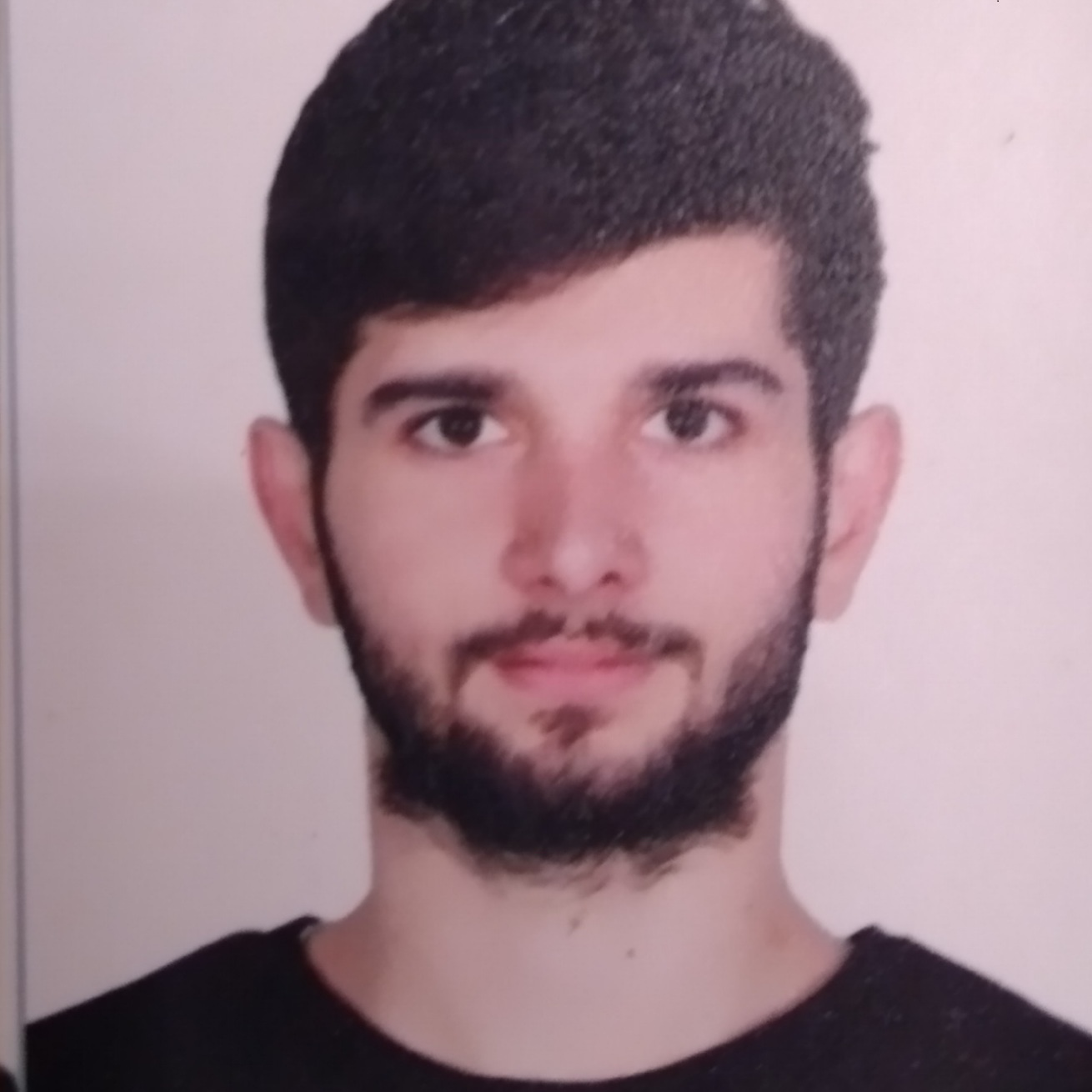
شهریار هوشنگی
عنوان پایاننامه
چالشهای حق پخش تلویزیونی در فوتبال حرفه ایی ایران
- رشته تحصیلی
- مديريت ورزشي-گرايش مديريت اماكن و تاسيسات ورزشي
- مقطع تحصیلی
- کارشناسی ارشد
- محل دفاع
- تربیت بدنی و علوم ورزشی
- شماره ساختمان محل ارائه
- ۶۶
- نام کلاس محل ارائه
- سالن دفاع[۲۷]
- شماره کلاس محل ارائه
- ۱۰۶
- تاریخ دفاع
- ۳۱ شهریور ۱۴۰۴
- ساعت دفاع
- ۱۲:۰۰
- چکیده
- ?? چکیده حق پخش تلویزیونی بهعنوان یکی از اصلیترین منابع درآمدی در فوتبال حرفهای جهان، نقش مهمی در توسعه باشگاهها، زیرساختهای ورزشی و ارتقای جایگاه اقتصادی ورزش ایفا میکند. در ایران، علیرغم اهمیت و ظرفیت بالای این منبع درآمدی، اجرای مؤثر و قانونی آن با چالشهای جدی مواجه است. پژوهش حاضر با هدف شناسایی و تحلیل موانع و چالشهای پیشروی تحقق حق پخش تلویزیونی در فوتبال حرفهای کشور انجام شد. روش تحقیق از نوع کیفی و مبتنی بر تحلیل محتوای مصاحبهها و اسناد معتبر در حوزههای مدیریت ورزشی، حقوق ورزشی، رسانه و اقتصاد ورزش است. دادهها از طریق مطالعه کتابخانهای و مصاحبههای هدفمند با مدیران، اساتید، کارشناسان، مسئولان رسانهای و فعالان ورزشی گردآوری شد و با استفاده از رویکرد دادهبنیاد مورد تحلیل قرار گرفت. نتایج تحقیق نشان میدهد که مهمترین چالشها شامل فقدان قانون کپیرایت و حقوق مالکیت معنوی، ساختار دولتی و انحصاری صداوسیما، نبود رقابت رسانهای، ضعف در قوانین باشگاهداری، عدم استقلال مالی باشگاهها، و سوء مدیریتهای ساختاری و قانونی است. همچنین، پیشنهادهایی چون تدوین و اجرای قوانین حمایتی، خصوصیسازی تدریجی رسانهها، تجاریسازی باشگاهها و ایجاد کمیتههای چانهزنی برای تعامل با نهادهای حکومتی ارائه شده است. این پژوهش میتواند بستری برای بازنگری سیاستگذاری در حوزه ورزش حرفهای و بهرهبرداری بهینه از ظرفیتهای اقتصادی فوتبال در کشور باشد. واژگان کلیدی: حق پخش تلویزیونی، فوتبال حرفهای، درآمدزایی ورزشی، صدا و سیما، حقوق ورزشی، باشگاههای فوتبال ایران، کپیرایت، رسانههای ورزشی.
- Abstract
- ?? Abstract Television broadcasting rights are considered one of the primary sources of revenue in professional football worldwide, playing a crucial role in the development of clubs, sports infrastructure, and the economic growth of the sports industry. In Iran, despite the great potential and importance of this income stream, its legal implementation faces numerous challenges. This qualitative research aims to identify and analyze the barriers to implementing television broadcasting rights in Iranian professional football. The study employs a content analysis method based on expert interviews and a review of valid documents in the fields of sports management, sports law, media, and sports economics. Data were collected through library research and in-depth interviews with managers, academics, media officials, and sports experts and analyzed using the grounded theory approach. The findings reveal that the main obstacles include the absence of copyright laws and intellectual property protection, the state-owned and monopolistic structure of national broadcasting (IRIB), lack of media competition, weak club ownership laws, financial dependence of football clubs, and poor legal and administrative management. The study proposes solutions such as enacting supportive legislation, gradual media privatization, commercialization of clubs, and the formation of negotiation committees to engage with government entities. This research provides a foundation for policy reform in professional sports and the optimal use of football’s economic potential in Iran. Keywords: Television Broadcasting Rights, Professional Football, Sports Revenue, IRIB, Sports Law, Iranian Football Clubs, Copyright, Sports Media.