
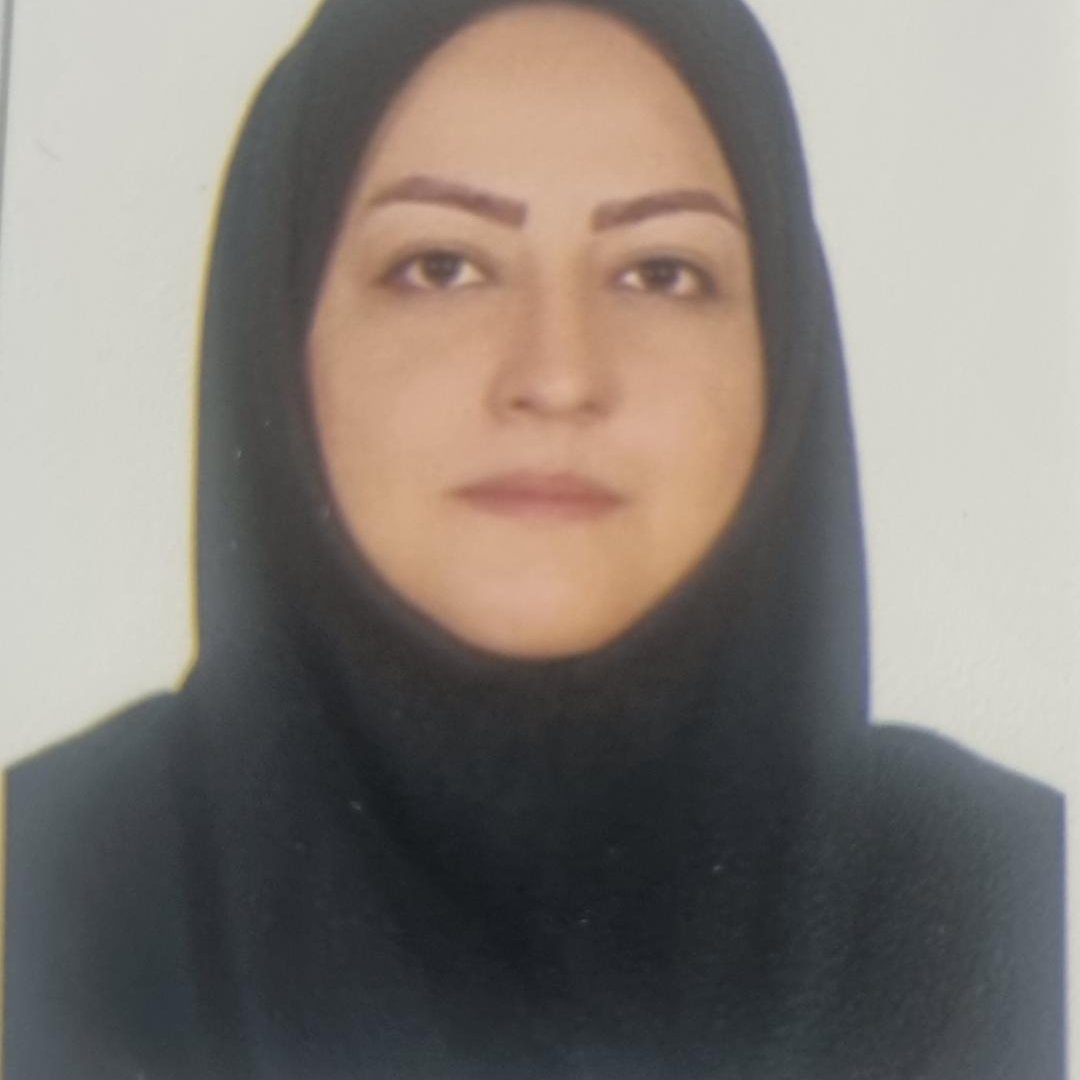
فاطمه فلاح
عنوان پایاننامه
حمایت از کودکان در وضعیت مخاطره آمیز از منظر حقوق بین الملل و ایران
- رشته تحصیلی
- حقوق بين الملل
- مقطع تحصیلی
- کارشناسی ارشد
- محل دفاع
- حقوق و علوم سیاسی
- شماره ساختمان محل ارائه
- ۳۸
- نام کلاس محل ارائه
- کلاس ۳۱۵[۲۳۳۱۵]
- شماره کلاس محل ارائه
- ۴۱۵
- تاریخ دفاع
- ۳۱ شهریور ۱۴۰۴
- ساعت دفاع
- ۱۸:۰۰
- چکیده
- چکیده پدیده پناهندگی از چالشهای مهم حقوق بینالملل معاصر است که ابعاد انسانی، اجتماعی و حقوقی گستردهای دارد. در میان جمعیتهای پناهنده، کودکان به عنوان آسیبپذیرترین گروه، بیش از دیگران در معرض مخاطرات ناشی از جنگ، آوارگی، فقدان هویت قانونی و محرومیت از حقوق اساسی قرار دارند. برآوردها نشان میدهد که حدود نیمی از پناهندگان جهان را کودکان تشکیل میدهند؛ امری که ضرورت اتخاذ سازوکارهای حمایتی ویژه در اسناد بینالمللی و نظامهای حقوقی داخلی را دوچندان میسازد. در نظام حقوق بینالملل، کنوانسیونها و پروتکلهای متعددی به حمایت از کودکان، بهویژه در وضعیتهای مخاطرهآمیز و پناهندگی اختصاص یافتهاند. در این میان، «کنوانسیون حقوق کودک ????» و «کنوانسیون ???? مربوط به وضعیت پناهندگان» به همراه پروتکل ????، مهمترین چارچوبهای الزامآور در حمایت از کودکان پناهنده محسوب میشوند. افزون بر این، میثاقین بینالمللی، اسناد منطقهای و تفاسیر نهادهای معاهدهای سازمان ملل نیز بهصورت مستقیم یا ضمنی، بر لزوم حمایت از این گروه تأکید دارند. در حقوق داخلی ایران نیز، هرچند کشور عضو کنوانسیون ???? نیست، اما با الحاق به پروتکل ???? و تصویب قوانین حمایتی همچون «قانون حمایت از اطفال و نوجوانان مصوب ????»، «قانون مبارزه با قاچاق انسان»، و «اصلاح قانون تابعیت فرزندان حاصل از ازدواج زنان ایرانی با اتباع خارجی»، گامهایی در جهت حمایت از کودکان پناهنده و پیشگیری از بیتابعیتی آنان برداشته شده است. پژوهش حاضر با روش توصیفی–تحلیلی و بر پایه منابع کتابخانهای، به بررسی جایگاه و قلمرو حمایت از کودکان پناهنده در نظام حقوق بینالملل و حقوق داخلی ایران میپردازد و نشان میدهد که بخش قابل توجهی از حمایتها، حتی در غیاب تصریح مستقیم به وضعیت کودکان، از رهگذر اصول عام حقوق بشر و اسناد مرتبط با پناهندگی قابل استنباط است. واژگان کلیدی: حمایت، کودک پناهنده، وضعیت مخاطرهآمیز، حقوق بینالملل، حقوق ایران
- Abstract
- Abstract The phenomenon of refugees constitutes one of the major contemporary challenges of international law, encompassing complex human, social, and legal dimensions. Among refugee populations, children — as the most vulnerable group — are disproportionately exposed to the consequences of armed conflicts, displacement, lack of legal identity, and deprivation of fundamental rights. It is estimated that nearly half of the world’s refugees are children, which underscores the necessity of adopting special protective mechanisms in both international instruments and domestic legal systems. In international law, numerous conventions and protocols have been devoted to the protection of children, particularly those in situations of risk and displacement. Among them, the Convention on the Rights of the Child (۱۹۸۹) and the ۱۹۵۱ Convention Relating to the Status of Refugees together with its ۱۹۶۷ Protocol constitute the primary binding frameworks for the protection of refugee children. In addition, the International Covenants, regional instruments, and interpretative documents issued by UN treaty bodies further emphasize the need to ensure effective protection for this group. Although Iran is not a party to the ۱۹۵۱ Refugee Convention, it has acceded to the ۱۹۶۷ Protocol and enacted several domestic laws with protective implications, such as the Law on the Protection of Children and Adolescents (۲۰۲۰), the Law on Combating Human Trafficking, and the Amendment to the Nationality Law concerning children born to Iranian mothers and foreign fathers, thereby taking steps toward safeguarding refugee children and preventing statele ess. Using a descriptive–analytical method and relying on library-based sources, this study examines the scope and mechanisms of protection afforded to refugee children under international law and Iranian domestic law. The findings reveal that a significant portion of such protection, even in the absence of explicit reference to children, can be inferred from general principles of human rights and refugee-related instruments. Keywords: Protection, Refugee Children, Situations of Risk, International Law, Iranian Law