
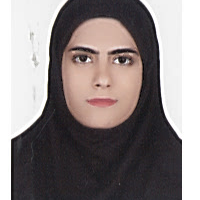
نسترن طالبی موری آبادی
عنوان پایاننامه
شناخت ویژگی های گردشگری خلاق و تاثیر آن بر رشد شهری نمونه مورد مطالعه: منطقه ۱۲ تهران
- دانشجو
- نسترن طالبی موری آبادی
- استاد راهنما
- غلامرضا لطیفی
- استاد مشاور
- علی خاکساری رفسنجانی
- استاد داور
- میترا عظیمی
- رشته تحصیلی
- برنامه ريزي شهري
- مقطع تحصیلی
- کارشناسی ارشد
- تاریخ دفاع
- ۳۱ شهریور ۱۴۰۴
- ساعت دفاع
- چکیده
- در سالهای اخیر، گردشگری به عنوان یکی از مهمترین عوامل تأثیرگذار بر توسعه اقتصادی، اجتماعی و فرهنگی جوامع شهری مورد توجه گسترده محققان و برنامهریزان قرار گرفته است. با تغییرات شتابان در سبک زندگی، خواستهها و انتظارات گردشگران، شکلها و انواع جدیدی از گردشگری شکل گرفته است که گردشگری خلاق یکی از برجستهترین آنها به شمار میرود. گردشگری خلاق، به عنوان رویکردی نوین و مبتنی بر خلاقیت، نوآوری و تعامل فعال گردشگران با محیط و فرهنگ محلی، فراتر از بازدید صرف از جاذبههای سنتی و تاریخی، به دنبال خلق تجربههایی منحصر به فرد، متنوع و پویا است که موجب ارتقاء کیفیت حضور گردشگران و تقویت هویت فرهنگی جوامع میزبان میشود. منطقه ?? تهران به عنوان یکی از قدیمیترین و تاریخیترین بخشهای پایتخت، دارای ظرفیتها و قابلیتهای بالقوهای در حوزه گردشگری است که میتواند زمینهساز توسعه گردشگری خلاق باشد. این منطقه، با وجود بافت تاریخی و فرهنگی غنی، با چالشهایی نظیر فرسودگی ساختارهای شهری، کاهش تعاملات اجتماعی و کمبود برنامههای موثر برای بهرهبرداری از ظرفیتهای فرهنگی مواجه است. در این راستا، گردشگری خلاق میتواند نقش مهمی در احیای بافت تاریخی، ارتقای تعاملات فرهنگی و اجتماعی، و ایجاد فرصتهای اقتصادی پایدار ایفا کند. از این منظر، شناخت دقیق ویژگیها و مولفههای گردشگری خلاق و تحلیل تأثیرات آن بر رشد و توسعه شهری، به ویژه در منطقهای با اهمیت تاریخی و فرهنگی مانند منطقه ۱۲ تهران، از اهمیت ویژهای برخوردار است. پژوهش حاضر با بهرهگیری از روشهای کیفی و گردآوری دادهها از طریق مصاحبه با ذینفعان، مطالعات میدانی و تحلیل محتوای کیفی، در پی ارائه شناختی جامع از گردشگری خلاق و نقش آن در تحقق رشد پایدار این منطقه است.
- Abstract
- In recent years, tourism has been recognized as one of the most significant factors influencing the economic, social, and cultural development of urban communities, attracting widespread attention from researchers and planners. With rapid changes in lifestyles, demands, and expectations of tourists, new forms and types of tourism have emerged, among which creative tourism stands out as one of the most prominent. Creative tourism, as an innovative approach rooted in creativity, innovation, and active engagement of tourists with the local environment and culture, goes beyond mere visits to traditional and historical attractions. It seeks to create unique, diverse, and dynamic experiences that enhance the quality of tourists’ presence while strengthening the cultural identity of host communities. Tehran’s District ۱۲, as one of the oldest and most historic parts of the capital, possesses significant potential and capabilities in the tourism sector, which can serve as a foundation for the development of creative tourism. Despite its rich historical and cultural fabric, this district faces challenges such as urban structural decay, reduced social interactions, and a lack of effective programs to leverage its cultural assets. In this context, creative tourism can play a pivotal role in revitalizing the historical fabric, enhancing cultural and social interactions, and creating sustainable economic opportunities. From this perspective, a precise understanding of the characteristics and components of creative tourism, as well as an analysis of its impacts on urban growth and development, particularly in a historically and culturally significant area like Tehran’s District ۱۲, is of paramount importance. The present study, utilizing qualitative methods and data collection through interviews with stakeholders, field studies, and qualitative content analysis, aims to provide a comprehensive understanding of creative tourism and its role in achieving sustainable growth in this region.