
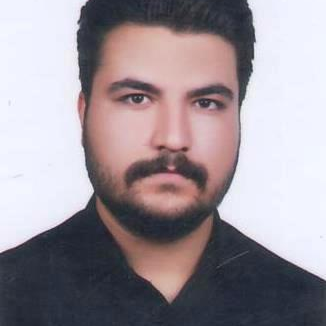
پوریا جعفری
عنوان پایاننامه
راهکار های بهره برداری از فضاهای طبیعی برای افزایش مشارکت مردم در فعالیت های تفریحی ورزشی
- مقطع تحصیلی
- کارشناسی ارشد
- محل دفاع
- تربیت بدنی و علوم ورزشی
- شماره ساختمان محل ارائه
- ۶۶
- نام کلاس محل ارائه
- اتاق شورا[۲۷]
- شماره کلاس محل ارائه
- ۱۰۵
- تاریخ دفاع
- ۲۹ بهمن ۱۴۰۴
- ساعت دفاع
- ۰۸:۰۰
- چکیده
- هدف اصلی این پژوهش، شناسایی و ارائه راهکارهای عملی برای بهرهبرداری مؤثر از فضاهای طبیعی شهر همدان به منظور افزایش مشارکت مردم در فعالیتهای تفریحی و ورزشی بود. روششناسی تحقیق از نوع آمیخته (کیفی-کمی) و کاربردی است که با استفاده از رویکرد مدلسازی ساختاری تفسیری (ISM) انجام شد؛ جامعه آماری شامل کارشناسان مدیریت ورزشی، مدیران شهری و اعضای هیئت علمی دانشگاه ها در همدان بود که از طریق نمونهگیری هدفمند ، ۱۴ نفر انتخاب شدند و دادهها از طریق مصاحبههای نیمهساختاریافته و پرسشنامه جمعآوری گردید؛ اعتبار دادهها با روشهای مثلثسازی و بازبینی اعضا تأیید شد. یافتهها نشان داد که عوامل مؤثر بر بهرهبرداری شامل ۱۸ مؤلفه کلیدی برنامهریزی استراتژیک، همکاری بینسازمانی، تأمین امکانات، ایمنی و امنیت، دسترسیپذیری عمومی، نوآوری در فعالیتها، برگزاری رویدادها، اطلاعرسانی، بازاریابی دیجیتال، فرهنگسازی، انگیزهآفرینی، تحقیقات کاربردی، توسعه فناوری، برنامههای آموزشی، تأمین مالی، تبلیغات رسانهای، تولید محتوا و ارتقاء مشارکت عمومی است که در چهار سطح سلسلهمراتبی ساختاربندی شدند؛ سطح چهارم (پایه) بر برنامهریزی استراتژیک تمرکز دارد، سطح سوم عوامل واسطهای مانند تحقیقات کاربردی و تأمین مالی را شامل میشود، سطح دوم عوامل عملیاتی مانند تبلیغات رسانهای و تولید محتوا را پوشش میدهد و سطح اول عوامل نتیجهگرا مانند ارتقاء مشارکت عمومی را تشکیل میدهد؛ تحلیل یافته ها نشان داد که عوامل راننده مانند برنامهریزی استراتژیک و وابسته مانند ایمنی را برجسته کرد. نتیجهگیری تحقیق بر ارائه راهکارهای عملی تأکید دارد، از جمله تدوین برنامه پنجساله استراتژیک توسط شهرداری و سازمان ورزش، تشکیل شورای مشترک بینسازمانی، توسعه اپلیکیشنهای راهنما، بهبود زیرساختهای ایمنی در فضاهایی مانند کوه الوند و پارک ملت، برگزاری رویدادهای ورزشی فراگیر، کمپینهای بازاریابی دیجیتال و برنامههای آموزشی برای فرهنگسازی، که اجرای یکپارچه آنها میتواند مشارکت عمومی را افزایش دهد، سلامت جسمی-روانی شهروندان را ارتقا بخشد و به توسعه پایدار شهری در همدان کمک کند.
- Abstract
- The primary objective of this study was to identify and propose practical strategies for the effective utilization of natural spaces in the city of Hamadan to enhance public participation in recreational and sports activities. The research adopted a mixed-methods (qualitative-quantitative) approach with an applied orientation, utilizing the Interpretive Structural Modeling (ISM) methodology. The study population comprised sports management experts, urban managers, and academic faculty members in Hamadan. A purposive sampling method was employed to select ۱۴ participants, and data were collected through semi-structured interviews and questionnaires. The validity of the data was ensured through triangulation and member-checking techniques. The findings revealed ۱۸ key components influencing the effective utilization of natural spaces, including strategic planning, inter-organizational collaboration, provision of facilities, safety and security, public accessibility, innovation in activities, event organization, information dissemination, digital marketing, cultural promotion, motivation enhancement, applied research, technological development, educational programs, financial support, media advertising, content production, and fostering public participation. These components were structured into four hierarchical levels: the foundational (fourth) level emphasized strategic planning; the third level included mediating factors such as applied research and financial support; the second level encompassed operational factors like media advertising and content production; and the first level comprised outcome-oriented factors such as enhanced public participation. The analysis highlighted driving factors, such as strategic planning, and dependent factors, such as safety. The study concludes by proposing practical strategies, including the development of a five-year strategic plan by the municipality and sports organization, the establishment of a joint inter-organizational council, the development of guide applications, improvements in safety infrastructure in areas such as Mount Alvand and Mellat Park, the organization of inclusive sports events, digital marketing campaigns, and educational programs for cultural promotion. The integrated implementation of these strategies can enhance public participation, improve citizens’ physical and mental well-being, and contribute to sustainable urban development in Hamadan.