
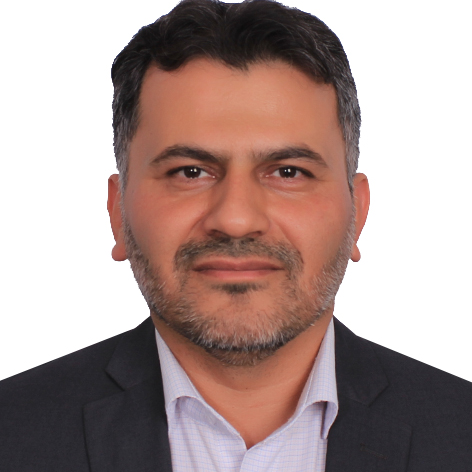
سیدمحسن عطارد
عنوان پایاننامه
ظرفیت سازمان های بین المللی و چالش های زیست محیطی جمهوری اسلامی ایران در عرصه انرژی
- دانشجو
- سیدمحسن عطارد
- استاد راهنما
- سیدحسن میرفخرائی
- استاد مشاور
- سیدرضا موسوی نیا
- استاد داور
- مجیدرضا مومنی
- رشته تحصیلی
- روابط بين الملل
- مقطع تحصیلی
- کارشناسی ارشد
- محل دفاع
- حقوق و علوم سیاسی
- شماره ساختمان محل ارائه
- ۳۸
- نام کلاس محل ارائه
- کلاس ۲۰۶[۲۳۲۰۶]
- شماره کلاس محل ارائه
- ۳۰۶
- تاریخ دفاع
- ۳۰ بهمن ۱۴۰۳
- ساعت دفاع
- ۱۳:۰۰
- چکیده
- This research examines the environmental challenges of the Islamic Republic of Iran in the energy sector and the capacity of international organizations. Iran’s heavy reliance on fossil fuels, along with the growing energy consumption, has led to air pollution, increased greenhouse gas emissions, climate change, and a water scarcity crisis. In this context, international organizations such as UNEP, UNDP, GEF, GCF, UNIDO, and the World Bank can play a significant role in mitigating environmental impacts and promoting renewable energy development. The methodology of this research is based on a descriptive-analytical approach that examines Iran's interaction with environmental organizations using scientific sources and international reports. The findings show that these organizations, through financial support, technology transfer, technical advice, and environmental policy reforms, can facilitate pollution reduction and the development of clean energy. However, factors such as economic sanctions, weak environmental diplomacy, lack of clear policy-making, and insufficient infrastructure are among the main barriers to fully utilizing these capacities. The conclusion of the research indicates that reforming domestic laws, strengthening international cooperation, promoting renewable energy, and increasing public awareness can help reduce environmental challenges and guide Iran toward sustainable development.
- Abstract
- This research examines the environmental challenges of the Islamic Republic of Iran in the energy sector and the capacity of international organizations. Iran’s heavy reliance on fossil fuels, along with the growing energy consumption, has led to air pollution, increased greenhouse gas emissions, climate change, and a water scarcity crisis. In this context, international organizations such as UNEP, UNDP, GEF, GCF, UNIDO, and the World Bank can play a significant role in mitigating environmental impacts and promoting renewable energy development. The methodology of this research is based on a descriptive-analytical approach that examines Iran's interaction with environmental organizations using scientific sources and international reports. The findings show that these organizations, through financial support, technology transfer, technical advice, and environmental policy reforms, can facilitate pollution reduction and the development of clean energy. However, factors such as economic sanctions, weak environmental diplomacy, lack of clear policy-making, and insufficient infrastructure are among the main barriers to fully utilizing these capacities. The conclusion of the research indicates that reforming domestic laws, strengthening international cooperation, promoting renewable energy, and increasing public awareness can help reduce environmental challenges and guide Iran toward sustainable development.